

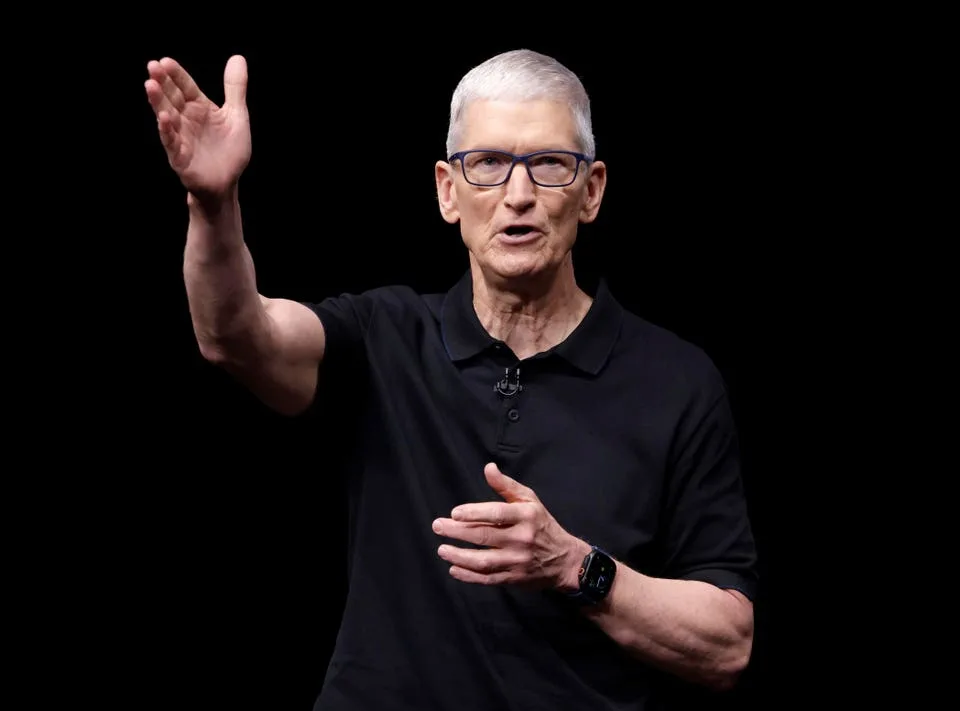
Tim Cook, the man who steered Apple from a gadget maker into a four-trillion-dollar juggernaut, just left the building. For years, he sold the world a vision of "values-based leadership," preaching privacy and human-centered design while his company quietly built an iron-clad dependency on some of the most restrictive regimes on earth. When you look closely at his legacy, you find a masterclass in cognitive dissonance: the gap between what you say you believe and the compromises you make to keep the stock price climbing.
This same tension is infecting the hallways of your local hospital. Medicine was once a calling—a profession where doctors worked in small, independent offices, holding the reins of their own patient care. Today, that world is vanishing faster than a battery icon on a cold day. Only 38% of American physicians still own their own practices. The rest have clocked into the corporate machine, working for private equity firms, insurance giants, or massive hospital networks.
They traded their autonomy for administrative support, which they've viewed as the only way to survive an unforgiving financial landscape.
"Work, he said, takes on new meaning when people feel pointed in the right direction. Otherwise, it’s just a job, and life is too short for that."
This shift isn't just about where a doctor parks their car in the morning; it’s about how they treat you. When a hospital system buys a doctor’s practice, they often push for higher efficiency and standardized care to keep the books in the black. When private equity firms get involved, we often see staffing cuts and a drop in the quality of care. For the doctors, the paycheck is better, but the “moral injury” is deep. They entered the profession to heal people, yet they find themselves constrained by administrators who care more about the margin than the mission.
The rise of concierge medicine is another factor here. Doctors are essentially opting out of the broken insurance system by charging an annual fee—sometimes up to $20,000—just to be on their patient list. It’s a smart move if you want to provide better care to a few, but it leaves the other 1,500 patients who can't afford the entry fee looking for a new doctor. It creates a two-tiered system where the quality of your health depends heavily on the thickness of your wallet.
The math behind the shift is brutal. Between the cost of malpractice insurance, technology, and the 13 hours per week doctors waste dealing with insurance "prior authorizations," it’s no wonder they are fleeing independent practice. Joining a hospital group can bump a doctor’s reimbursement by 10%. This provides a safety net that is increasingly hard to ignore. This stability comes with a "quid pro quo": you play by the corporate rules, or you don't play at all.
Tim Cook’s tenure shows us that even the most disciplined leaders eventually hit a wall where money and morality collide. He donated to political figures and made manufacturing deals that contradicted his public stance on human rights, all to protect Apple’s bottom line. His story isn't just a tech headline; it’s a warning. When we optimize every part of our lives for financial gain, we eventually lose the very thing that made our work meaningful in the first place. Whether you’re running the world’s biggest company or a small clinic, the cost of trading your values for a margin is a debt that eventually comes due.