

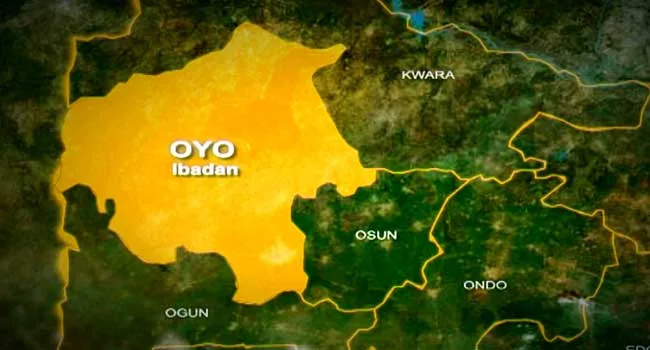
The Oyo State government's warning of flash floods and heatwaves has sent a wave of concern among residents. The state's emergency management agency has been put on high alert, with officials working to mitigate the effects of the impending floods and heatwaves. The warning is particularly significant given the state's history of flooding, which has caused widespread damage and displacement in the past. So, what's behind this warning, and what can residents do to stay safe? The government's advisory is based on weather forecasts that predict heavy rainfall in the coming days, which could lead to flash flooding and road overflows.
And yet, the threat of heatwaves is just as pressing. Temperatures are expected to soar to 35°C, which could lead to heat-related illnesses, particularly among vulnerable populations such as the elderly and young children. The government is urging residents to take precautions to stay cool, such as staying hydrated and avoiding outdoor activities during the hottest part of the day. But it's not just about individual actions - the government is also working to address the underlying infrastructure issues that contribute to flooding and heatwaves. For example, the state's drainage systems are being cleared and upgraded to reduce the risk of flooding.
The warning has also sparked concerns about the state's preparedness for natural disasters. While the government has made efforts to improve its emergency response systems, there are still gaps in the state's infrastructure that need to be addressed. For instance, many residents lack access to reliable healthcare and other essential services, which could exacerbate the effects of a natural disaster. So, what's being done to address these gaps? The government has announced plans to invest in new infrastructure, including flood-resistant buildings and upgraded healthcare facilities.
But the warning also highlights the need for individual responsibility and community action. Residents can take steps to protect themselves and their properties, such as by clearing drains and securing loose outdoor items that could become projectiles in strong winds. And, by working together, communities can build resilience and support each other in the face of natural disasters. Yet, it's clear that more needs to be done to address the root causes of flooding and heatwaves, such as climate change and urbanization. The government's warning is a wake-up call for residents to take action and demand more from their leaders.
Key Facts
- The Oyo State government has issued an advisory warning residents of potential flash floods, road overflows, and rising temperatures.
- The warning is based on weather forecasts that predict heavy rainfall in the coming days.
- Temperatures are expected to reach 35°C in the coming days.
- The government is urging residents to take necessary precautions to stay safe.
- The state's emergency management agency has been put on high alert.
- The government has announced plans to invest in new infrastructure, including flood-resistant buildings and upgraded healthcare facilities.
The Science Behind Flash Floods
Flash floods occur when heavy rainfall causes a rapid rise in water levels, leading to flooding in low-lying areas. This can happen when the ground is saturated with water, and the rainfall is intense enough to overwhelm the drainage systems. In Oyo State, the situation is particularly precarious due to the state's geography, with many areas prone to flooding. The government's warning is based on forecasts that predict heavy rainfall in the coming days, which could lead to flash flooding and road overflows. But what can be done to mitigate the effects of flash floods?
One approach is to improve the state's drainage systems, which are often clogged and inefficient.
And, by investing in flood-resistant infrastructure, the government can reduce the risk of damage and displacement. For example, flood-resistant buildings can be designed to withstand high water levels, and upgraded drainage systems can help to reduce the risk of flooding. Yet, it's not just about infrastructure - individual actions can also make a difference. Residents can take steps to protect themselves and their properties, such as by clearing drains and securing loose outdoor items that could become projectiles in strong winds.
The science behind flash floods is complex, but the warning signs are clear. By understanding the causes of flash floods and taking proactive steps to mitigate their effects, residents and the government can work together to build resilience and reduce the risk of damage and displacement. So, what's the role of climate change in all this? Climate change is exacerbating the risk of flash floods, as rising temperatures lead to more intense rainfall and increased evaporation. This means that the state needs to take a long-term view and invest in strategies that address the root causes of flooding and heatwaves.
The Human Impact
The warning of flash floods and heatwaves has sent a wave of concern among residents, particularly those who have experienced the devastating effects of natural disasters in the past. For many, the memory of displacement and loss is still fresh, and the government's warning is a stark reminder of the vulnerability of their communities. So, how are residents responding to the warning? Many are taking proactive steps to protect themselves and their properties, such as by stocking up on food and water and securing their homes.
But, for others, the warning is a source of anxiety and fear. The threat of flash floods and heatwaves is particularly daunting for those who lack access to reliable healthcare and other essential services. And, with the state's infrastructure still recovering from past disasters, there are concerns that the government may not be able to respond effectively to a new crisis.
“The impact of flash floods and heatwaves is not just physical”
— it's also emotional and psychological. Residents who have experienced trauma in the past may be particularly vulnerable to the stress and anxiety caused by the warning. It's essential that the government and other stakeholders provide support and resources to help residents cope with the emotional impact of the warning.
The human impact of flash floods and heatwaves is a stark reminder of the need for individual and collective action. By working together, residents and the government can build resilience and reduce the risk of damage and displacement. Yet, it's clear that more needs to be done to address the root causes of flooding and heatwaves, such as climate change and urbanization. The government's warning is a wake-up call for residents to demand more from their leaders and to take action to protect themselves and their communities.
The Role of Climate Change
Climate change is exacerbating the risk of flash floods and heatwaves, as rising temperatures lead to more intense rainfall and increased evaporation. This means that the state needs to take a long-term view and invest in strategies that address the root causes of flooding and heatwaves. So, what's the connection between climate change and flash floods? Climate change is altering the global water cycle, leading to more frequent and intense rainfall events. This, in turn, increases the risk of flash floods, as the ground becomes saturated with water and the drainage systems are overwhelmed.
And, it's not just about flooding - climate change is also driving up temperatures, leading to heatwaves that can be deadly, particularly for vulnerable populations such as the elderly and young children. The government's warning is a stark reminder of the need for urgent action to address the root causes of climate change. Yet, it's not just about government action - individual actions can also make a difference. Residents can take steps to reduce their carbon footprint, such as by using public transport or carpooling, and by reducing their energy consumption.
The role of climate change in exacerbating the risk of flash floods and heatwaves is clear. By understanding the connection between climate change and natural disasters, residents and the government can work together to build resilience and reduce the risk of damage and displacement. So, what's the way forward? The government needs to invest in strategies that address the root causes of flooding and heatwaves, such as climate change and urbanization. This includes investing in flood-resistant infrastructure, improving the state's drainage systems, and providing support and resources to help residents cope with the emotional impact of the warning.
The Government's Response
The Oyo State government has announced plans to invest in new infrastructure, including flood-resistant buildings and upgraded healthcare facilities. The government is also working to improve the state's drainage systems, which are often clogged and inefficient. So, what's the government's strategy for addressing the root causes of flooding and heatwaves? The government is taking a multi-faceted approach, which includes investing in infrastructure, providing support and resources to residents, and working to address the underlying causes of flooding and heatwaves.
And, the government is not working alone - it's partnering with other stakeholders, including international organizations and local communities, to build resilience and reduce the risk of damage and displacement. The government's response is a stark reminder of the need for collective action to address the root causes of flooding and heatwaves. Yet, it's clear that more needs to be done to address the underlying causes of flooding and heatwaves, such as climate change and urbanization. The government's warning is a wake-up call for residents to demand more from their leaders and to take action to protect themselves and their communities.
The government's response to the warning of flash floods and heatwaves is a critical component of the state's overall strategy for building resilience and reducing the risk of damage and displacement. By investing in infrastructure, providing support and resources to residents, and working to address the underlying causes of flooding and heatwaves, the government can help to mitigate the effects of natural disasters and protect the lives and livelihoods of its citizens. So, what's next? The government needs to continue to work with residents and other stakeholders to build resilience and reduce the risk of damage and displacement.
The Way Forward
The warning of flash floods and heatwaves is a stark reminder of the need for urgent action to address the root causes of flooding and heatwaves. The government needs to invest in strategies that address the root causes of flooding and heatwaves, such as climate change and urbanization. This includes investing in flood-resistant infrastructure, improving the state's drainage systems, and providing support and resources to help residents cope with the emotional impact of the warning. And, residents need to take proactive steps to protect themselves and their properties, such as by stocking up on food and water and securing their homes.
But, it's not just about individual actions - collective action is also essential. Residents and the government need to work together to build resilience and reduce the risk of damage and displacement. This includes investing in infrastructure, providing support and resources to residents, and working to address the underlying causes of flooding and heatwaves. So, what's the role of international organizations in all this? International organizations can provide critical support and resources to help the state build resilience and reduce the risk of damage and displacement.
The way forward is clear - the government and residents need to work together to build resilience and reduce the risk of damage and displacement. By investing in infrastructure, providing support and resources to residents, and working to address the underlying causes of flooding and heatwaves, the state can mitigate the effects of natural disasters and protect the lives and livelihoods of its citizens. Yet, it's not just about the state - the warning of flash floods and heatwaves is a stark reminder of the need for global action to address the root causes of climate change and urbanization. The government's warning is a wake-up call for residents to demand more from their leaders and to take action to protect themselves and their communities.