

Private sector workers in the Philippines are set to receive a pay boost on May 27, as the country celebrates Eid al-Adha, a regular holiday. According to Labor Advisory No. 09, series of 2026, issued by the Department of Labor and Employment (DOLE), employers are required to pay their workers 200% of their daily salary on this day. This means they can't pay less than that.
The advisory, which was released on May 26, aims to remind employers of the proper payment of daily wages for workers during the holiday. For work done during the regular holiday, the employer shall pay a total of 200% of the employee's wage for that day for the first eight hours. It's essential to note that this applies to the first eight hours of work. If an employee's daily wage is PHP 500, they will receive PHP 1000 for working on May 27.
But what if an employee works more than eight hours on this day? In this case, the employer shall pay an additional 30% of the hourly rate on said day. So, if an employee works 10 hours, they will receive their daily wage plus an additional 30% of their hourly rate for the extra two hours. This ensures they're paid fairly for their work.
The DOLE also provided guidelines for employees who work on their rest day during a regular holiday. If an employee reports to work on their rest day, which also falls on a regular holiday, the employer shall pay the employee an additional 30% of the basic wage of 200%. This means that if an employee's daily wage is PHP 500, they will receive PHP 1300 for working on their rest day during the holiday. They won't receive less than that.
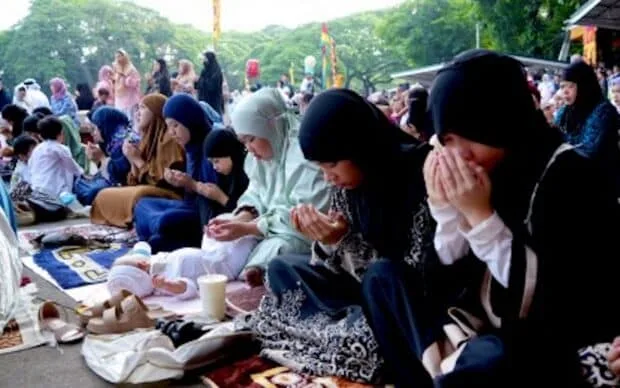
The celebration of Eid al-Adha is one of the two major Muslim feasts, alongside Eid al-Fitr, and is considered the holier of the two. It marks the end of the Hajj pilgrimage to Mecca, one of the five pillars of Islam. President Ferdinand R. Marcos Jr. declared May 27 as a regular holiday in observance of Eid al-Adha, through Proclamation 1264. It's a significant declaration, as it recognizes the importance of this event.
The holiday allows Muslims to honor Abraham's willingness to sacrifice his son in obedience to God's command, symbolizing faith and devotion. It's a significant celebration for the Muslim community in the Philippines, and the government's declaration of a regular holiday is a recognition of the importance of this event. They're acknowledging the significance of Eid al-Adha.
In the Philippines, Eid al-Adha is not just a celebration for the Muslim community, but also an opportunity for the entire country to come together and promote unity and understanding. The government's efforts to promote inclusivity and respect for different cultures and traditions are commendable, and the declaration of May 27 as a regular holiday is a step in the right direction. It's a positive move towards unity.
As the country celebrates Eid al-Adha, it's essential to remember the significance of this holiday and the values it represents. It's a celebration of faith, devotion, and sacrifice, and it's an opportunity for people to come together and promote unity and understanding. They can't forget the importance of this event.
Key Facts
- May 27 is a regular holiday in the Philippines in observance of Eid al-Adha
- Private sector workers are entitled to 200% of their daily salary on May 27
- Employers are required to pay an additional 30% of the hourly rate for work done in excess of eight hours
- Employees who work on their rest day during a regular holiday are entitled to an additional 30% of the basic wage of 200%
The DOLE's Labor Advisory No. 09 is a reminder to employers of their obligations to their workers during the holiday. It's essential for employers to comply with the guidelines set by the DOLE to ensure that their workers receive the proper payment for their work on May 27. They won't be able to ignore these guidelines.
As the celebration of Eid al-Adha approaches, it's essential for everyone to come together and promote unity and understanding. The government's efforts to promote inclusivity and respect for different cultures and traditions are commendable, and it's up to everyone to make this celebration a success. They can't just wait for others to take action.
The Philippines is a country with a diverse culture and traditions, and the celebration of Eid al-Adha is an opportunity for people to come together and promote unity and understanding. It's a celebration that represents the values of faith, devotion, and sacrifice, and it's an essential part of the country's cultural heritage. The country won't forget the significance of this event.
The celebration of Eid al-Adha is a significant event in the Philippines, and it's essential for everyone to come together and promote unity and understanding. The government's efforts to promote inclusivity and respect for different cultures and traditions are commendable, and it's up to everyone to make this celebration a success. The country's future depends on its ability to unite and respect different cultures. The Philippines will continue to celebrate Eid al-Adha, and it will remain a significant part of the country's cultural heritage.