

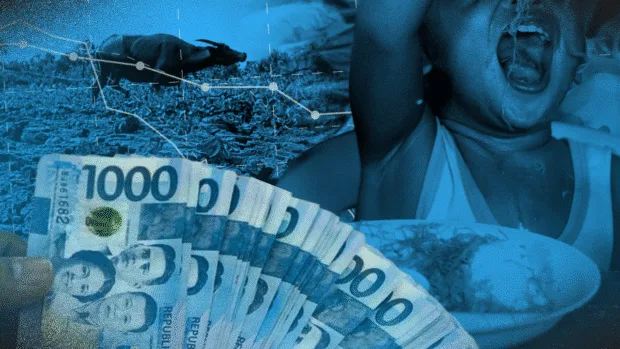
The Philippines is bracing for a Super El Niño, which is expected to hit the country with region-specific impacts. The anticipated event poses a multidimensional threat to the country's agriculture, energy, and governance. It's a threat that can't be ignored, and the country must take action to prepare.
The Super El Niño is expected to have varying impacts on different regions of the Philippines due to geography, rainfall dependence, and crop profiles. Northern and Central Luzon will face severe drought and reservoir inflow deficits. They're likely to experience significant water shortages, which will affect agriculture and daily life. Southern Luzon and Bicol will experience alternating floods and dry spells. This will make it difficult for farmers to plan and plant crops.
The Visayas will face declines in sugarcane and fisheries. They're a significant part of the local economy, and a decline in these areas will have a major impact. Mindanao will endure localized drought affecting corn, pineapple, and export crops. These crops are important to the local economy, and a drought will cause significant damage.
Historical analogs, such as the 1982-83, 1997-98, and 2015-16 events, show recurring severe droughts and economic shocks. The Super El Niño events recur every few years, and the Philippines needs to be prepared to mitigate its impacts. The country can't afford to wait and see what happens - it must take action now.
The country's agricultural sector will be severely affected, with crop yields expected to decline. This will have a major impact on the economy and food supply. The energy sector will also be impacted, with reduced water levels in reservoirs affecting hydroelectric power generation. This will lead to power shortages and increased energy costs.
The governance sector will face challenges in responding to the crisis, with the need for region-specific adaptation strategies. The government will need to work with local communities to develop and implement effective response plans. They'll need to provide support to farmers and households affected by the drought and floods. It's essential that they work together to mitigate the impacts of the Super El Niño.
The Super El Niño is expected to have significant economic impacts, with the agricultural and energy sectors being the most affected. The government will need to provide support to farmers and households affected by the drought and floods. They won't be able to recover on their own - they'll need help from the government and other organizations.
The international community can also play a role in supporting the Philippines' response to the Super El Niño. International organizations and donor countries can provide technical and financial assistance to help the country develop and implement effective adaptation strategies. They can provide expertise and resources that the country doesn't have.
In the Philippines, the Super El Niño is not just an environmental issue, but also a social and economic one. The government and local communities need to work together to mitigate its impacts and ensure that the country is prepared for the challenges ahead. They can't do it alone - they'll need to work together to develop and implement effective response plans.
- The Super El Niño is expected to hit the Philippines with region-specific impacts.
- Northern and Central Luzon will face severe drought and reservoir inflow deficits.
- Southern Luzon and Bicol will experience alternating floods and dry spells.
- The Visayas will face declines in sugarcane and fisheries.
- Mindanao will endure localized drought affecting corn, pineapple, and export crops.
The Super El Niño is a reminder of the importance of disaster risk reduction and management in the Philippines. The government and local communities need to work together to develop and implement effective response plans to mitigate the impacts of the event. They can't wait until it's too late - they need to take action now.
As the country prepares for the Super El Niño, it's essential to remember that the event is not just an environmental issue, but also a social and economic one. The government and local communities need to work together to ensure that the country is prepared for the challenges ahead. They'll need to develop and implement effective adaptation strategies and response plans to mitigate the impacts of the Super El Niño.
The Super El Niño is a wake-up call for the Philippines to strengthen its disaster risk reduction and management capabilities. The country needs to develop and implement effective adaptation strategies to mitigate the impacts of the event and ensure that the country is prepared for the challenges ahead. It won't be easy, but it's essential.
The Philippines can learn from its past experiences in responding to Super El Niño events. The country can draw on its expertise and knowledge to develop and implement effective response plans and adaptation strategies. They've dealt with this before, and they can use that experience to prepare for the future.
The Super El Niño is a significant threat to the Philippines, and the country needs to be prepared to mitigate its impacts. The government and local communities need to work together to develop and implement effective adaptation strategies and response plans to ensure that the country is prepared for the challenges ahead. They won't be able to do it alone - they'll need to work together.
'The Super El Niño is a reminder of the importance of disaster risk reduction and management in the Philippines,' said a local official. 'We need to work together to develop and implement effective response plans to mitigate the impacts of the event.'
The Super El Niño is expected to have significant impacts on the Philippines, and the country needs to be prepared to respond to the challenges ahead. The government and local communities need to work together to develop and implement effective adaptation strategies and response plans to mitigate the impacts of the event. They can't afford to wait - they need to take action now.
The Philippines is not alone in its efforts to respond to the Super El Niño. The international community can play a role in supporting the country's response to the event. International organizations and donor countries can provide technical and financial assistance to help the country develop and implement effective adaptation strategies. They can provide resources and expertise that the country doesn't have.
As the Philippines prepares for the Super El Niño, it's essential to remember that the event is not just an environmental issue, but also a social and economic one. The government and local communities need to work together to ensure that the country is prepared for the challenges ahead. They'll need to develop and implement effective adaptation strategies and response plans to mitigate the impacts of the Super El Niño. They won't be able to do it alone - they'll need to work together.
The Super El Niño is a significant threat to the Philippines, and the country needs to be prepared to mitigate its impacts. The government and local communities need to work together to develop and implement effective adaptation strategies and response plans to ensure that the country is prepared for the challenges ahead. They're facing a significant challenge, but they can overcome it if they work together.