

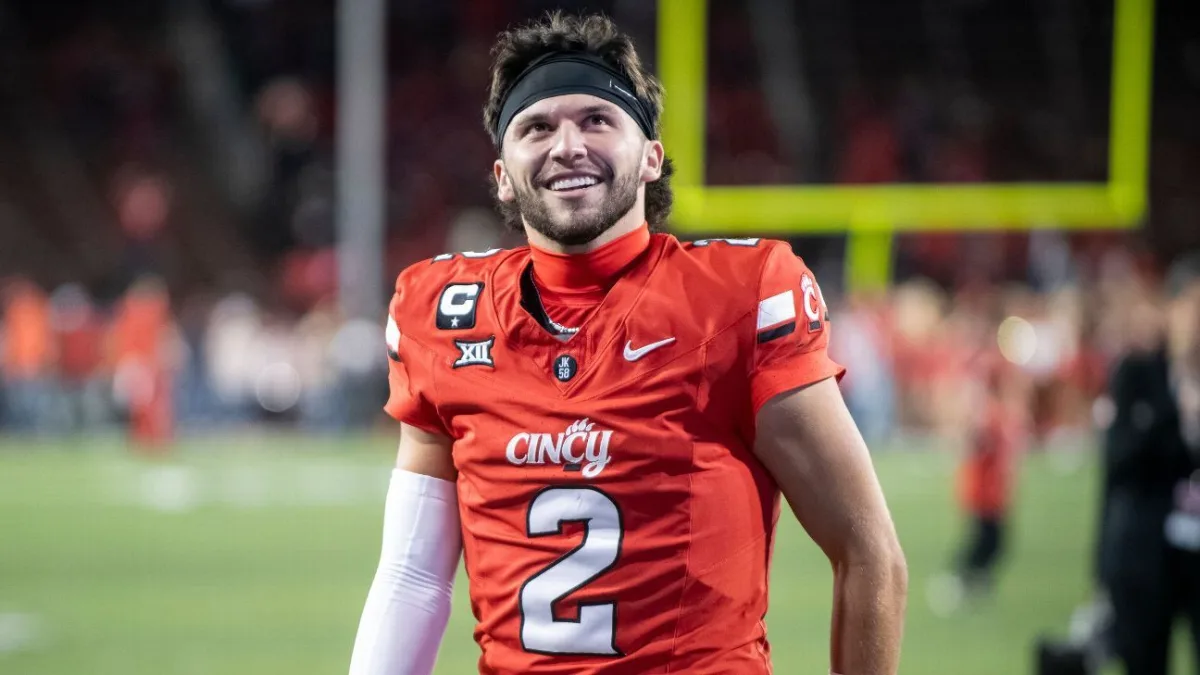
The NCAA has denied Texas Tech quarterback Brendan Sorsby's request for reinstatement, putting his lawsuit against the NCAA seeking an injunction for his eligibility for the 2026 season into further focus. This decision isn't a surprise to many, given the NCAA's history of strict rules and regulations.
Brendan Sorsby, the Texas Tech quarterback, has been at the center of this controversy. He's a talented player who was looking to get back on the field. The NCAA's decision will be a significant blow to his plans because it means he won't be able to play in the 2026 season. This will likely affect his career prospects.
The NCAA's rules are in place to ensure fairness and integrity in college sports. They're not always popular, but they're intended to maintain the integrity of the game. The NCAA has decided that Sorsby's actions warranted a penalty. They can't allow players to break the rules without facing consequences.
Sorsby's lawsuit against the NCAA is still ongoing. His lawyers will likely argue that the NCAA's rules are too harsh and that Sorsby deserves a second chance. The NCAA will argue that its rules are in place to protect the integrity of the game. They won't back down without a fight.
The NCAA's decision will have implications for Sorsby's future. If his lawsuit is unsuccessful, he may be forced to sit out the 2026 season. This could have a significant impact on his career prospects. He won't be able to play, and that will hurt his chances of getting drafted or getting a scholarship.
The case highlights the complexities of college sports. On one hand, the NCAA has a responsibility to enforce its rules and maintain the integrity of the game. On the other hand, players like Sorsby are often young and may make mistakes. They don't always think about the consequences of their actions.
As the lawsuit progresses, it will be interesting to see how the NCAA and Sorsby's lawyers argue their cases. The outcome will have significant implications for college sports and the athletes who participate in them. The NCAA's rules will be under scrutiny, and they'll have to defend their decisions.
Key Facts
- The NCAA has denied Brendan Sorsby's request for reinstatement.
- Sorsby is suing the NCAA for an injunction to allow him to play in the 2026 season.
- The NCAA's rules are intended to maintain the integrity of college sports.
The NCAA's decision to deny Sorsby's reinstatement bid has sparked debate about the fairness of the NCAA's rules. Some argue that the rules are too harsh, while others argue that they're necessary to maintain the integrity of the game. It's a complex issue, and there are no easy answers.
In the end, the outcome of Sorsby's lawsuit will have significant implications for college sports. It will be interesting to see how the case unfolds and what the ultimate decision will be. The NCAA's rules are clear, and Sorsby's actions led to his penalty. However, it's also important to consider the human side of the story. Sorsby is a young athlete who made a mistake. He's now facing the consequences of that mistake.
As the case moves forward, it will be important to consider both sides of the argument. The NCAA has a responsibility to enforce its rules, but it's also important to consider the impact on the athletes involved. They're not just players; they're people with feelings and emotions. The NCAA can't forget that.
The case is a reminder that college sports are complex and multifaceted. There are many different stakeholders involved, and each has its own interests and concerns. The NCAA, the athletes, the coaches, and the fans all have a stake in the outcome. They'll all be watching the case closely.
Ultimately, the outcome of Sorsby's lawsuit will depend on the arguments presented by both sides. The NCAA will argue that its rules are in place to maintain the integrity of the game, while Sorsby's lawyers will argue that the rules are too harsh. The judge will have to weigh the evidence and make a decision.
The case will be closely watched by college sports fans and athletes. It has the potential to set a significant precedent for how the NCAA handles similar cases in the future. The NCAA's rules will be under scrutiny, and they'll have to defend their decisions. They won't be able to hide behind their rules; they'll have to explain them.
The NCAA's decision to deny Sorsby's reinstatement bid is just the beginning of this story. As the lawsuit progresses, it will be interesting to see how the case unfolds and what the ultimate decision will be. The outcome will have significant implications for college sports and the athletes who participate in them.
There's no direct connection to Nigeria in this story, as it's focused on college sports in the United States. However, the case highlights the complexities of sports governance and the challenges of balancing fairness and integrity with the needs and interests of athletes. The NCAA's rules are intended to apply to all athletes, regardless of their background or nationality.
The NCAA's rules are intended to ensure fairness and integrity in college sports. However, the case also raises questions about the impact of these rules on individual athletes and their careers. The NCAA can't just focus on the rules; they have to consider the people involved. They're not just enforcing rules; they're affecting lives.
In the end, the outcome of Sorsby's lawsuit will have significant implications for college sports and the athletes who participate in them. It will be interesting to see how the case unfolds and what the ultimate decision will be. The NCAA's rules will be under scrutiny, and they'll have to defend their decisions. They'll have to explain why they made the decisions they did.
We don't have a quote from Brendan Sorsby or the NCAA on this matter.
The case is a reminder that college sports are complex and multifaceted. There are many different stakeholders involved, and each has its own interests and concerns. The NCAA, the athletes, the coaches, and the fans all have a stake in the outcome. They'll all be watching the case closely.
The NCAA's decision to deny Sorsby's reinstatement bid has sparked debate about the fairness of the NCAA's rules. Some argue that the rules are too harsh, while others argue that they're necessary to maintain the integrity of the game. It's a complex issue, and there are no easy answers. The NCAA's rules are in place to protect the integrity of the game, but they also have to consider the impact on the athletes.
The case highlights the challenges of balancing fairness and integrity with the needs and interests of athletes. It's a difficult task, and the NCAA will have to navigate it carefully. They can't just focus on the rules; they have to consider the people involved. They're not just enforcing rules; they're affecting lives.
The outcome of Sorsby's lawsuit will depend on the arguments presented by both sides. The NCAA will argue that its rules are in place to maintain the integrity of the game, while Sorsby's lawyers will argue that the rules are too harsh. The judge will have to weigh the evidence and make a decision. It won't be an easy decision, but it will be an important one.
The case will be closely watched by college sports fans and athletes. It has the potential to set a significant precedent for how the NCAA handles similar cases in the future. The NCAA's rules will be under scrutiny, and they'll have to defend their decisions. They'll have to explain why they made the decisions they did. They won't be able to hide behind their rules; they'll have to be transparent.
The NCAA's decision to deny Sorsby's reinstatement bid is just the beginning of this story. As the lawsuit progresses, it will be interesting to see how the case unfolds and what the ultimate decision will be. The outcome will have significant implications for college sports and the athletes who participate in them. The NCAA's rules will be under scrutiny, and they'll have to defend their decisions. They'll have to explain why they made the decisions they did.