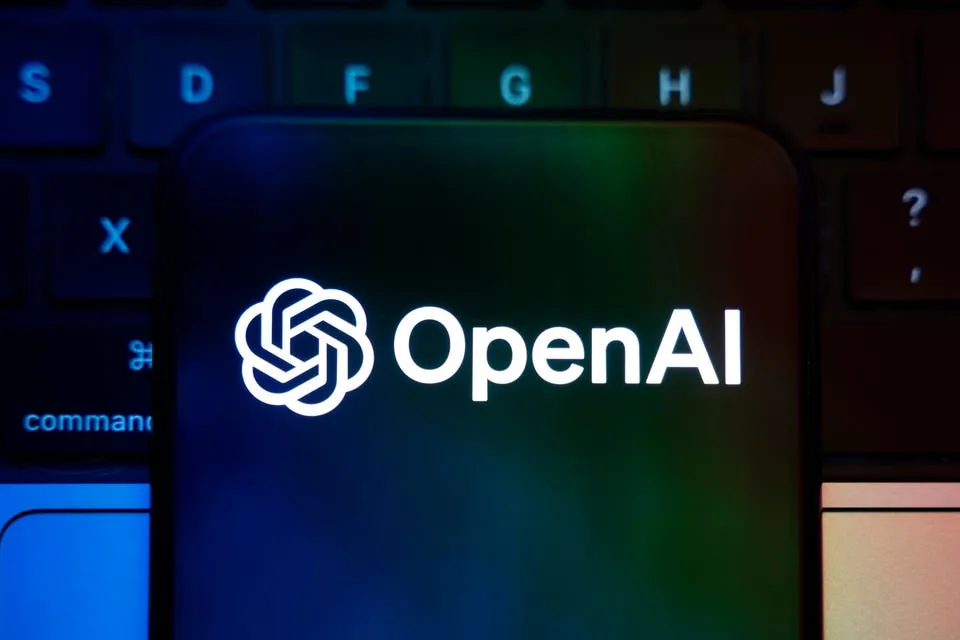
OpenAI, the San Francisco-based company behind the popular AI chatbot ChatGPT, is reportedly eyeing a historic initial public offering (IPO) that could value the company at a staggering $1 trillion. This move comes despite the company's substantial losses, with projected losses of $14 billion in 2026 and cumulative losses of up to $115 billion by 2029. They're substantial losses, but the company's revenue grew significantly. It grew 233% to $20 billion in 2025. However, the company lost about $1.22 for every dollar of revenue it generated due to the high cost of AI computing.
The company's revenue growth is notable, but it's not without its challenges. OpenAI initially targeted roughly $30 billion in total revenue for 2026. However, internal reports from the first quarter indicate the company generated $5.7 billion. If annualized, this would total $22.8 billion for 2026. This isn't meeting their initial target, and it's worth considering why. The intense competition from Google's Gemini and Anthropic is significantly slowing OpenAI's growth and market share.
Google has more than doubled the number of people using its chatbot to 900 million. This roughly matches the number of ChatGPT users and far surpasses Anthropic's estimated web traffic. Google is using AI to increase profit with online advertising, which could make its AI chatbots profitable. This is happening even as Google's Gemini is being adopted by Apple's voice assistant Siri. The competition is fierce, and it's affecting OpenAI's market share.
The IPO, possibly in late 2026, faces internal debate over timing due to financial commitments and rigorous reporting standards. Key risks for investors include governance instability, heavy reliance on Microsoft, and ongoing talent departures. The high valuation without current profitability makes it a potentially volatile and risky investment. Investors shouldn't invest without considering these risks. They're significant and could impact the company's future.
University of Florida IPO expert Jay Ritter noted that the price of a publicly-traded OpenAI is likely to be highly volatile due to the high degree of hype surrounding AI and OpenAI's seeming inability to make money. He didn't mince words, and his assessment is important to consider. OpenAI's projected IPO valuation is very high, with the company valued at $852 billion in a March 2026 private funding round. The IPO could aim for a valuation as high as $1 trillion, making it the second largest in history.
However, investors may wish to avoid purchasing shares if the valuation as a percent of sales is higher than peer companies growing at the same rate. They shouldn't invest without doing their research. The company's transition from a nonprofit to a part nonprofit, part for-profit organization in 2019 was subject to a trial pitting Elon Musk, an OpenAI co-founder, against Sam Altman, the company's current CEO. The jury ruled unanimously against Musk, but Musk says he plans to file an appeal. He hasn't given up yet, and this could impact the company's future.
In October 2025, the company finalized a major restructuring into a Delaware-based Public Benefit Corporation. This allowed the original non-profit foundation to retain a 26% equity stake. The restructuring was designed to attract large investments, such as the $13 billion from Microsoft, compensate employees with traditional equity, and clear legal hurdles for a traditional IPO. It's a significant development, and it's going to impact the company's future.
- OpenAI's IPO could value the company at $1 trillion
- Projected losses of $14 billion in 2026 and cumulative losses of up to $115 billion by 2029
- Revenue grew 233% to $20 billion in 2025, but lost about $1.22 for every dollar of revenue generated
- Intense competition from Google's Gemini and Anthropic is slowing OpenAI's growth and market share
- IPO faces internal debate over timing due to financial commitments and rigorous reporting standards
The OpenAI IPO is likely to be among history's largest and will garner an outsized share of media attention. However, with the company facing competition, losing enormous amounts of money, and having significant financial obligations, the risks of buying the stock immediately after it goes public are quite high. If the company is able to exceed quarterly expectations for revenue and profit growth for years into the future, IPO investors are likely to be richly rewarded. They'll need to be patient, though, and consider the risks.
The IPO date is unknown, but it's reportedly could happen as early as the fourth quarter of 2026 or sometime in 2027. Investors should be cautious of those selling pre-IPO shares in murky markets. They don't want to get caught up in a potentially volatile situation. Instead, they may have better luck seeking indirect exposure by investing in publicly traded companies such as Microsoft that already have major partnerships with OpenAI. This could be a safer bet, and it's worth considering.
As the IPO approaches, investors will need to assess whether the company's stock is fairly valued in relation to its revenue and earnings. With the company's high growth rate and potential for future profitability, the OpenAI IPO is likely to be a closely watched event in the financial world. It's going to be interesting to see how it plays out, and investors won't want to miss it. They'll be watching closely, and they should be prepared for anything. The company's future is uncertain, but one thing's for sure - it's going to be a wild ride.