

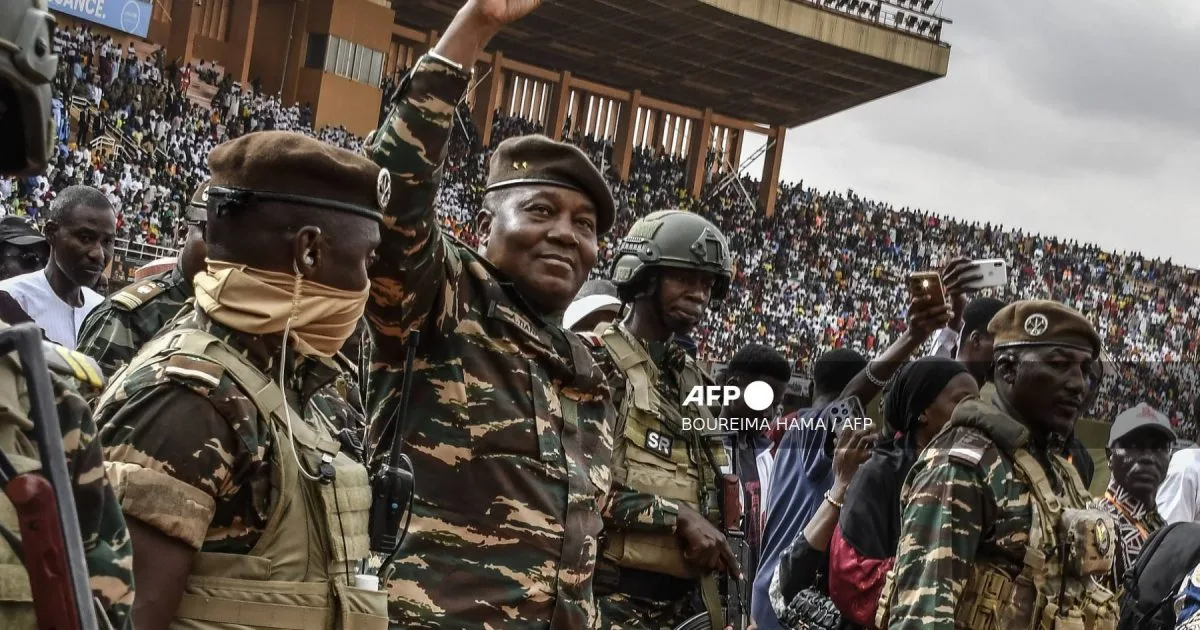
In a shocking move, Niger's ruling junta has suspended 10 French media bodies, including AFP and France 24, citing threats to public order. This decision was announced on May 8, 2026, and it's a clear indication of the rising tensions between Niger and France. The suspension is a significant development, and it's likely to have far-reaching consequences for the media landscape in Niger. The junta's decision is also a reflection of the growing anti-French sentiment in the country. Over the past few months, there have been several protests and demonstrations against the French presence in Niger.
The suspension of French media outlets is a drastic measure, and it's not entirely surprising given the current climate. The junta has been facing criticism for its handling of the economy and security, and the French media has been vocal in its criticism of the government. The junta's decision to suspend the French media outlets is likely an attempt to silence its critics and maintain control over the narrative. However, this move is also likely to backfire, as it will only serve to further alienate the junta from the international community. The international community has been watching the situation in Niger with growing concern, and the suspension of French media outlets is likely to escalate the situation.
The situation in Niger is complex, and it's rooted in a long history of colonialism and post-colonial instability. France has a significant presence in Niger, and the country has been a key player in the region's security and economic landscape. However, the relationship between Niger and France has been strained in recent years, with many Nigeriens feeling that France is not doing enough to support the country's development. The suspension of French media outlets is a symptom of a larger problem, and it's a reflection of the deep-seated tensions between Niger and France. The junta's decision is also a reflection of the growing nationalism in Niger, with many people feeling that the country needs to assert its independence from France.
The suspension of French media outlets has significant implications for the media landscape in Niger. The French media has been a key source of information for many Nigeriens, and the suspension will leave a significant void. The junta's decision will also have a chilling effect on the local media, with many journalists and media outlets likely to self-censor to avoid being targeted. The situation is a classic example of the challenges faced by journalists in authoritarian regimes, where the government seeks to control the narrative and silence its critics.
Key Facts
- The Niger junta suspended 10 French media bodies, including AFP and France 24.
- The suspension was announced on May 8, 2026.
- The junta cited threats to public order as the reason for the suspension.
- The suspension is a reflection of the growing anti-French sentiment in Niger.
- The French media has been vocal in its criticism of the Niger government.
- The international community has been watching the situation in Niger with growing concern.
- The suspension of French media outlets is a symptom of a larger problem between Niger and France.
Background
The relationship between Niger and France is complex and rooted in a long history of colonialism. France colonized Niger in the late 19th century, and the country gained independence in 1960. However, the legacy of colonialism continues to shape the relationship between the two countries. Many Nigeriens feel that France has not done enough to support the country's development, and there is a growing sense of resentment towards the French presence in Niger. The suspension of French media outlets is a reflection of this growing nationalism, with many people feeling that the country needs to assert its independence from France.
The situation in Niger is also shaped by the country's economic and security challenges. Niger is one of the poorest countries in the world, and it faces significant development challenges. The country is also vulnerable to security threats, including terrorism and banditry. The junta has been struggling to address these challenges, and the suspension of French media outlets is a reflection of its desperation to maintain control. The international community has been watching the situation in Niger with growing concern, and the suspension of French media outlets is likely to escalate the situation.
The French media has been a key player in shaping the narrative around the situation in Niger. The French media has been vocal in its criticism of the junta, and it has been a key source of information for many Nigeriens. The suspension of French media outlets is a significant blow to the media landscape in Niger, and it will leave a significant void. The junta's decision is also a reflection of the growing tensions between Niger and France, with many people feeling that the French media is biased against the Niger government.
Implications
The suspension of French media outlets has significant implications for the media landscape in Niger. The junta's decision will have a chilling effect on the local media, with many journalists and media outlets likely to self-censor to avoid being targeted. The situation is a classic example of the challenges faced by journalists in authoritarian regimes, where the government seeks to control the narrative and silence its critics. The suspension of French media outlets is also a reflection of the growing nationalism in Niger, with many people feeling that the country needs to assert its independence from France.
The international community has been watching the situation in Niger with growing concern, and the suspension of French media outlets is likely to escalate the situation. The junta's decision is a clear indication of the rising tensions between Niger and France, and it's likely to have far-reaching consequences for the region. The situation in Niger is complex, and it's rooted in a long history of colonialism and post-colonial instability. The suspension of French media outlets is a symptom of a larger problem, and it's a reflection of the deep-seated tensions between Niger and France.
The situation in Niger is a classic example of the challenges faced by countries in the region. Many countries in West Africa are struggling to assert their independence from their former colonial powers, and the situation in Niger is no exception. The suspension of French media outlets is a reflection of the growing nationalism in Niger, with many people feeling that the country needs to assert its independence from France. The junta's decision is also a reflection of the desperation of the government to maintain control, and it's likely to have far-reaching consequences for the region.
Reaction
The reaction to the suspension of French media outlets has been swift and condemnation has been widespread. Many international organizations and human rights groups have condemned the junta's decision, citing the importance of a free and independent media. The French government has also condemned the suspension, and it's likely to escalate the situation between Niger and France. The situation is a classic example of the challenges faced by journalists in authoritarian regimes, where the government seeks to control the narrative and silence its critics.
The suspension of French media outlets is a significant blow to the media landscape in Niger, and it will leave a significant void. The French media has been a key source of information for many Nigeriens, and the suspension will only serve to further alienate the junta from the international community. The situation in Niger is complex, and it's rooted in a long history of colonialism and post-colonial instability. The suspension of French media outlets is a symptom of a larger problem, and it's a reflection of the deep-seated tensions between Niger and France.
The suspension of French media outlets is a clear indication of the rising tensions between Niger and France, and it's likely to have far-reaching consequences for the region. The situation in Niger is a classic example of the challenges faced by countries in the region, and it's a reflection of the growing nationalism in Niger, with many people feeling that the country needs to assert its independence from France.
What's Next
The suspension of French media outlets is a significant development, and it's likely to have far-reaching consequences for the region. The international community has been watching the situation in Niger with growing concern, and the suspension is likely to escalate the situation. The junta's decision is a clear indication of the rising tensions between Niger and France, and it's likely to have significant implications for the media landscape in Niger. The situation is complex, and it's rooted in a long history of colonialism and post-colonial instability.
The situation in Niger is a classic example of the challenges faced by countries in the region. Many countries in West Africa are struggling to assert their independence from their former colonial powers, and the situation in Niger is no exception. The suspension of French media outlets is a reflection of the growing nationalism in Niger, with many people feeling that the country needs to assert its independence from France. The junta's decision is also a reflection of the desperation of the government to maintain control, and it's likely to have far-reaching consequences for the region.
The international community needs to take a strong stance against the suspension of French media outlets. The situation in Niger is a classic example of the challenges faced by journalists in authoritarian regimes, where the government seeks to control the narrative and silence its critics. The suspension of French media outlets is a significant blow to the media landscape in Niger, and it will leave a significant void. The French media has been a key source of information for many Nigeriens, and the suspension will only serve to further alienate the junta from the international community.
Conclusion
The suspension of French media outlets is a significant development, and it's likely to have far-reaching consequences for the region. The situation in Niger is complex, and it's rooted in a long history of colonialism and post-colonial instability. The suspension of French media outlets is a symptom of a larger problem, and it's a reflection of the deep-seated tensions between Niger and France. The international community needs to take a strong stance against the suspension, and it's essential to support the media in Niger to ensure that they can continue to report independently and freely.
The situation in Niger is a classic example of the challenges faced by countries in the region. Many countries in West Africa are struggling to assert their independence from their former colonial powers, and the situation in Niger is no exception. The suspension of French media outlets is a reflection of the growing nationalism in Niger, with many people feeling that the country needs to assert its independence from France. The junta's decision is also a reflection of the desperation of the government to maintain control, and it's likely to have far-reaching consequences for the region.
The suspension of French media outlets is a significant blow to the media landscape in Niger, and it will leave a significant void. The French media has been a key source of information for many Nigeriens, and the suspension will only serve to further alienate the junta from the international community. The situation in Niger is complex, and it's rooted in a long history of colonialism and post-colonial instability. The suspension of French media outlets is a symptom of a larger problem, and it's a reflection of the deep-seated tensions between Niger and France. The international community needs to take a strong stance against the suspension, and it's essential to support the media in Niger to ensure that they can continue to report independently and freely.