

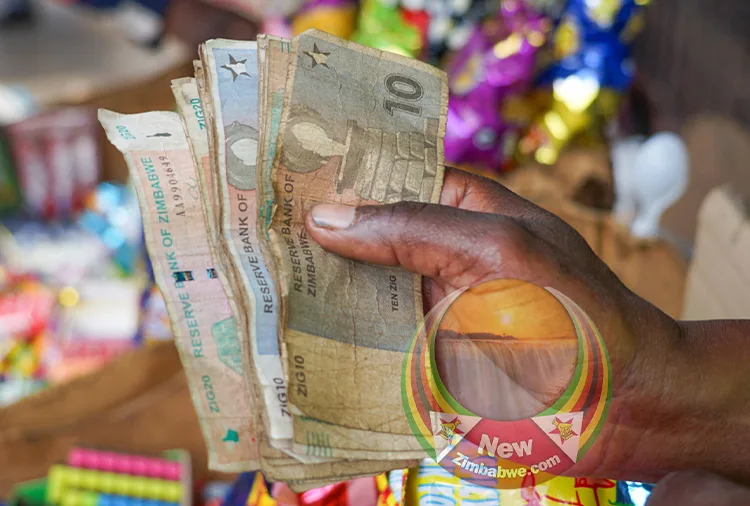
The Data Behind the Dip
If you've been feeling like your ZWG cash is finally holding its own at the market, the numbers are officially backing you up. The Zimbabwe National Statistics Agency (ZimStat) dropped their latest report this Tuesday, and for once, the news isn't giving us a headache. The month-on-month inflation rate for the local ZWG currency clocked in at 0.5% for May 2026. This is a drop from the 1.1% we were dealing with back in April, marking a stabilization of purchasing power for local consumers.
It isn't just the local currency feeling the stability. The USD month-on-month inflation rate also took a dive, landing at 0.3% compared to the 1.1% figure from the previous month. When you combine both the ZWG and the USD into a weighted rate, the movement shows a cooling effect across the board, easing down to 0.4% from the 1.1% spike seen earlier. Things are moving in a direction that doesn't involve your money disappearing between the bus stop and the grocery shelf.
Global Strings, Local Effects
So, why the sudden calm after the storm? You can thank the geopolitical drama happening thousands of miles away. Analysts are pointing to the intense negotiations between the United States and Iran. These talks are centred on a ceasefire agreement that could finally see the Strait of Hormuz properly opened for oil trade once more. Because that strait is a massive pipe for the world’s fuel, any blockage sends price speculation into a frenzy.
This speculation ripples all the way down to our fuel pumps and shop prices.
"The developments are believed to have reduced the impact of negative pricing speculation that had rattled international markets during the early stages of the conflict."
By easing those tensions, the global market has stopped panicking. This means the 'import' cost of fear isn't being passed on to the average person in Bulawayo or Mutare. When the big boys in the global oil game stop fighting, the ripple effect reaches Harare in the form of a slightly more predictable price tag on basic goods. What happens in a shipping lane far away dictates whether you can afford to fill your tank or buy a bag of mealie-meal this weekend.
The Fine Print on Annual Rates
Before you start popping the champagne, remember that year-on-year figures tell a slightly different story. The annual ZWG inflation rate dropped to 4.4% from 4.8%, which is a solid improvement. However, the USD year-on-year rate actually crept up to 2.8% from 2.2%. The weighted annual inflation also ticked up to 3.2% from 2.8%.
This means that while the monthly jump in prices is slowing down, we're still paying more than we were exactly this time last year. It's a classic case of 'the speed of the race has slowed, but the runners are still moving.' The economy is playing a long game. While the monthly relief is a welcome break, the yearly tally shows we're still navigating the after-effects of the price hikes we saw earlier in the season.
Staying Grounded in the Market
For the street trader or the office worker, this data isn't just for the economists in their suits; it determines the buying power of the ZWG in your pocket. The government’s move toward the ZWG has been a rollercoaster. Seeing the inflation numbers dip is a positive signal for anyone trying to plan their monthly budget because it indicates a narrowing of price volatility for essential household items. If the international ceasefire holds and oil remains steady, we might actually see these rates stay tamed for a while longer.
We're living in a time where global news is local news. Whether it's a tanker stuck near Iran or a change in currency policy at the Reserve Bank, everything hits the household budget eventually. For now, take the 0.5% monthly win and hold on to it. In this economy, a little predictability is worth more than a bag of gold. Zvakaitika for the better this month, and the trend remains under observation as the year pushes toward the final quarter.