

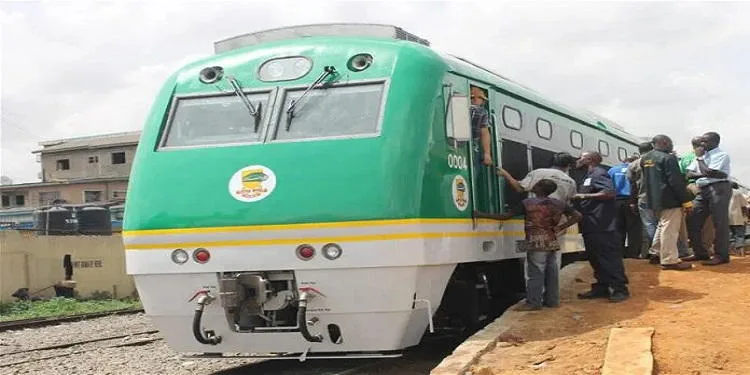
The Nigerian Railway Corporation (NRC) has effectively grounded the Warri–Itakpe Train Service (WITS), leaving hundreds of holiday travelers stranded just as the Eid-el-Kabir celebrations begin. Callistus Unyimadu, the Chief Public Relations Officer for the corporation, announced the indefinite suspension early Tuesday morning. He cited "operational and technical concerns" that require immediate attention from their engineering teams.
The government is technically offering a 50 per cent discount on all other NRC train routes to help citizens navigate the high costs of travel during the festive period, but this specific corridor has been completely pulled from the map. It’s a bitter pill to swallow for commuters who rely on this link to move between Delta and Kogi states. Many of them have already penciled in their transit plans for the holidays.
"The NRC regrets the inconvenience this development may cause passengers and other stakeholders, and assures the public that efforts are ongoing to resolve the issues within the shortest possible time."
The suspension wasn't a light decision according to the official statement. Engineers have flagged serious safety and reliability issues that necessitate a full operational assessment before any locomotive is allowed to hit those tracks again. The corporation promises that passengers will get an update by the end of this week regarding when the trains might return to normal service. For now, the stations remain locked.
This specific rail line was designed to open up economic corridors for the movement of iron ore and agricultural produce. It connects the steel-producing town of Ajaokuta to the port facilities at Warri. It represents a multi-billion naira investment that was intended to reduce the strain on our federal highways. The project has faced numerous hurdles ranging from equipment maintenance to security concerns since its completion. When these systems fail, it doesn't just disrupt a weekend trip; it halts a critical artery for local trade that depends on the predictable movement of goods.
For the average Nigerian, this means scrambling for expensive bus tickets or enduring the usual headache of road travel just as transport fares typically skyrocket. The NRC tries to spin the 50 per cent fare reduction for other functional routes as a win for the masses. The reality for those living along the Warri-Itakpe axis is that they've been left behind. Without a clear timeline for the critical operational assessments, many travelers will simply have to bank on private transport services that operate without any government-subsidized relief.
The move highlights the fragile state of our rail infrastructure, where technical issues can shut down entire operations overnight. The NRC leadership is betting that the public will be patient. As any regular traveler knows, patience wears thin when you’re standing in a park with your luggage and no train to board. We are currently waiting to see if the promised assessment will actually yield results by the weekend or if this "indefinite" pause will stretch into the weeks ahead.