

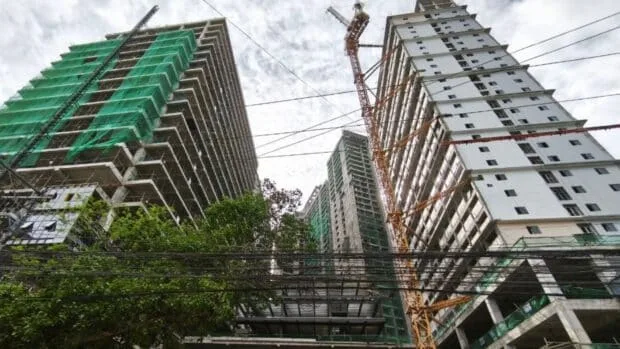
If you look up while walking through the bustling streets of Cebu City these days, you’re bound to see cranes competing for space with the clouds. It’s an exciting time for the urban landscape, but that rapid growth brings a headache for the authorities who have to make sure these buildings don't come crashing down when the next strong typhoon hits. The Office of the Building Official (OBO) has officially shifted into high gear. They’ve recently slapped 580 construction projects with notices for operating without the necessary legal permits.
Architect Florante Catalan, who serves as the Cebu City planner and head of the OBO, is the man currently holding the whip. He’s made it clear that the grace period for skipping steps is effectively over. The agency is now aggressively enforcing the National Building Code of the Philippines. It acts as the rulebook for everything from structural integrity to fire exits. If you’re a developer planning to put up a multi-story condo or a commercial strip, you better have your paperwork in order.
If not, Catalan’s team will be knocking on your site gate.
"We will continue to strengthen inspections as more vertical developments emerge across our area."
This isn't just about red tape or making sure the government gets its cut of the permit fees. Cebu has become a vertical city in record time, and the infrastructure needs to match that ambition. When a building is put up without proper oversight, you aren't just risking a fine; you're playing a dangerous game with the people who will eventually move in. Catalan’s directive covers every phase of construction. It spans from the initial excavation to the final touches on the roof deck.
For the ordinary Cebuano, this means more frequent site visits by OBO engineers who check if the steel bars meet the required diameter or if the concrete mixture is strong enough to hold the weight of all those floors. It’s a tedious, dirty, and often thankless job. However, the increase in activity suggests the city is trying to avoid the kind of structural failures that have plagued other rapidly developing urban centers in the region. You might see more inspectors wearing hard hats and high-visibility vests around sites in areas like Lahug or Banilad this month.
The National Building Code, or Presidential Decree No. 1096, is the bedrock of these inspections. It dictates everything from how close a building can be to the property line to the seismic resilience required for structures in earthquake-prone zones like Central Visayas. When a building doesn't comply, the OBO can issue a cease-and-desist order. This effectively stops all work until the developer fixes the errors or pays the corresponding penalties. This legal framework prevents "shortcuts" that often result in cracks or, in worst-case scenarios, full-scale collapses.
Developing a high-rise in a place like Lapu-Lapu City or downtown Cebu isn't cheap. Costs often run into the hundreds of millions of pesos. Some developers try to save money by starting excavation or foundation work before their building permit is fully approved. This practice creates a massive headache for the city because once a skeleton of a building is already standing, it becomes incredibly difficult and expensive to force the owner to correct structural defects. Catalan’s crackdown focuses on catching these sites before they even get to the fourth or fifth floor.
Most of these 580 violators are now facing the reality of stalled projects and daily mounting fees. They have to present their revised plans, pay the mandatory surcharges for their initial non-compliance, and wait for the OBO to give them the green light to proceed. For the average resident who just wants to live in a house that won’t tilt during a storm, this shift in oversight feels long overdue. It’s a relief to know that there’s actually someone checking if the cement is being poured with the right ratio of gravel and sand, charot.
This isn't just a bureaucratic exercise in a dusty office. It’s a direct response to the physical transformation of Cebu into a major metropolis. As the skyline becomes more crowded, the room for error shrinks. The city isn't just growing up; it’s being forced to grow smarter and much safer. If you're planning to buy a condo unit soon, check if the building has passed the latest round of OBO scrutiny to ensure it meets safety standards.