

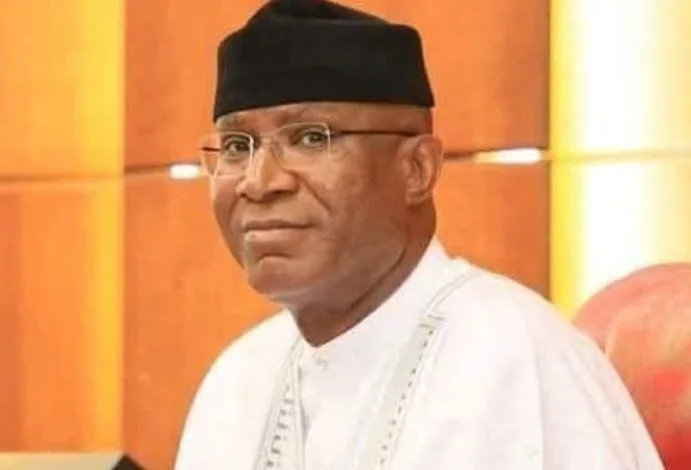
The political landscape in Delta State just got a lot more interesting. Ovie Omo-Agege, who held the powerful position of Deputy President of the 9th Senate, has officially dumped the All Progressives Congress (APC). This move follows months of simmering tension within the Delta State chapter of the party.
In a formal letter sent to the APC Chairman of Orogun Ward 2 in Ughelli North Local Government Area, the former senator made his position crystal clear. He didn't mince words about why he was jumping ship after serving as a key figure in the ruling party’s hierarchy.
“I won't remain a sitting duck in a party where I can't advance the interests of Delta Central, Delta State and Nigeria.”
His media adviser, Sunday Areh, confirmed that the decision came after a series of deep consultations with political associates and loyal supporters. Ovie Omo-Agege argued that his future—and the future of the people he represents—is better served away from the APC’s current internal dynamics. He requested that his name be scrubbed from all official membership records and digital communication channels of the party, effective immediately.
Born in Effurun, Ovie Omo-Agege has been a fixture in Delta State politics for years. Before his rise to the federal level, he served as the Secretary to the Delta State Government during the administration of James Ibori. His transition to the Senate in 2015 represented a major shift in the power balance of the Delta Central Senatorial District. During his time in the 9th Assembly, he became one of the most prominent faces of the ruling party in the South-South region.
His tenure as Deputy Senate President was marked by significant influence over federal projects reaching the Niger Delta. Local party disagreements often bubbled under the surface, making his position within the Delta APC increasingly difficult to maintain. The decision to leave shows a breakdown in the bridge-building efforts that usually hold major parties together in Nigeria.
Delta State has always been a complex theater for political maneuvering. The departure of a figure as senior as Ovie Omo-Agege will likely trigger a scramble among opposition parties looking to capitalize on the vacuum. His supporters expect him to remain active, though he hasn't yet announced which, if any, political camp he plans to join next.
He has publicly pledged to continue his work for the development of his home base, Delta Central. Whether he aims to run as an independent or eventually aligns with a new party, his exit creates a ripple effect. It reminds everyone that in Nigerian politics, loyalty is often just a temporary arrangement based on the ability to deliver results. The focus now shifts to how the remaining APC members in the region will manage the fallout and the inevitable regrouping that follows such a high-profile exit.