

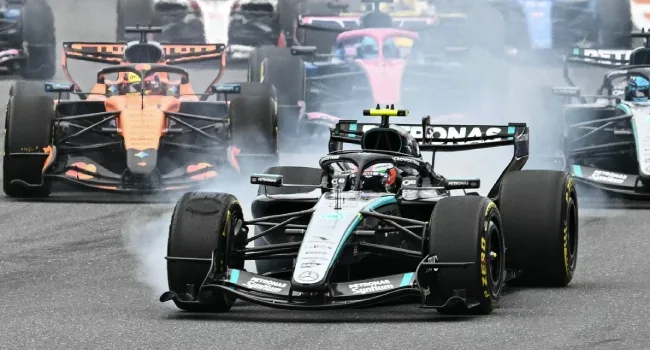
The world of Formula One is abuzz with the latest announcement from the FIA, revealing plans to revamp the sport's engines by 2027. This move comes on the heels of criticism surrounding the current season's power unit modifications. Formula One bosses have been under pressure to address concerns over the sport's environmental impact and rising costs. The FIA's decision to introduce further evolutionary changes before the 2027 season is seen as a step in the right direction. It's a complex issue, with multiple stakeholders involved, including teams, drivers, and engine manufacturers.
The announcement was made on Friday, with the FIA stating that the changes will be implemented in a bid to improve performance and reduce costs. This is a significant development, as it could have far-reaching implications for the sport as a whole. The current season has seen a number of teams struggle with the new power unit regulations, leading to calls for a rethink. The FIA has listened to these concerns and is now taking action to address them. The changes will be introduced in stages, with the first phase set to come into effect before the 2027 season.
It's a bold move, but one that is seen as necessary to ensure the long-term sustainability of the sport.
The decision to revamp the engines is not just about improving performance; it's also about reducing the sport's environmental impact. Formula One has come under increasing pressure in recent years to reduce its carbon footprint, and the FIA is taking steps to address this. The new engine regulations will prioritize efficiency and sustainability, with a focus on reducing emissions and waste. This is a significant challenge, but one that the FIA is committed to overcoming. The sport has a long history of innovation, and the FIA is confident that it can find a solution that balances performance with sustainability.
The news has been met with a mixed reaction from teams and drivers, with some welcoming the changes and others expressing concerns. The introduction of new engine regulations will require significant investment from teams, and some are worried about the cost implications. However, the FIA is confident that the changes will be beneficial in the long run, and that they will help to ensure the sport's continued success. It's a complex issue, but one that the FIA is determined to get right. The future of Formula One is at stake, and the FIA is taking bold action to secure it.
Key Facts
- The FIA has announced plans to revamp Formula One engines by 2027.
- The changes will be introduced in stages, with the first phase set to come into effect before the 2027 season.
- The new engine regulations will prioritize efficiency and sustainability, with a focus on reducing emissions and waste.
- The decision has been met with a mixed reaction from teams and drivers.
- The FIA is confident that the changes will be beneficial in the long run, and that they will help to ensure the sport's continued success.
The Current State of Formula One
The current season has been marked by controversy and criticism, with many teams struggling to come to terms with the new power unit regulations. The changes have been designed to improve performance and reduce costs, but they have also led to a number of technical issues and reliability problems. The FIA has been working closely with teams and engine manufacturers to address these issues, but it's clear that more needs to be done. The decision to revamp the engines is a significant step forward, but it's just the beginning. The FIA will need to work closely with all stakeholders to ensure a smooth transition and to address any concerns that may arise.
The current state of Formula One is complex and multifaceted, with a range of different factors at play. The sport is facing increasing pressure to reduce its environmental impact, while also ensuring that it remains competitive and exciting. The FIA is walking a tightrope, trying to balance the needs of different stakeholders while also ensuring the long-term sustainability of the sport. It's a difficult challenge, but one that the FIA is committed to overcoming. The introduction of new engine regulations is just the beginning, and the FIA will need to continue to innovate and adapt in order to stay ahead of the curve.
The History of Formula One Engines
Formula One has a long and storied history, with engines playing a central role in the sport's development. From the early days of the sport to the present day, engines have been a key factor in determining success. The sport has seen a number of different engine regulations over the years, each designed to improve performance and reduce costs. The current engine regulations have been in place since 2014, and while they have been successful in many ways, they have also been criticized for being too complex and expensive. The FIA is now looking to the future, and the introduction of new engine regulations is a significant step forward.
The history of Formula One engines is fascinating, with a range of different technologies and innovations having been introduced over the years. From the early days of naturally aspirated engines to the current era of hybrid power units, the sport has seen a significant amount of change and development. The FIA has always been at the forefront of this development, working closely with engine manufacturers and teams to push the boundaries of what is possible. The introduction of new engine regulations is the latest chapter in this story, and it will be interesting to see how the sport evolves in the coming years.
The Impact on Teams and Drivers
The introduction of new engine regulations will have a significant impact on teams and drivers, with many facing a major challenge in adapting to the changes. The new regulations will require significant investment and innovation, and some teams may struggle to keep up. The FIA is aware of these concerns and is working closely with teams to ensure a smooth transition. However, it's clear that some teams will be more affected than others, and the coming years will be crucial in determining the sport's future.
The impact on drivers will also be significant, with many facing a new challenge in terms of adapting to the new engine regulations. The current generation of drivers has grown up with the current engine regulations, and many will need to learn new skills and techniques in order to succeed. The introduction of new engine regulations will also create new opportunities for drivers, with some teams looking to capitalize on the changes. It will be interesting to see how the driver market develops in the coming years, and which drivers will emerge as the top talent.
The Future of Formula One
The future of Formula One is uncertain, but one thing is clear: the sport is at a crossroads. The introduction of new engine regulations is a significant step forward, but it's just the beginning. The FIA will need to continue to innovate and adapt in order to stay ahead of the curve, and the sport will need to address a range of challenges, from reducing its environmental impact to ensuring that it remains competitive and exciting. The coming years will be crucial in determining the sport's future, and it will be interesting to see how the FIA and the sport's stakeholders respond to the challenges ahead.
The future of Formula One is all about innovation and sustainability. We need to find a way to balance performance with environmental responsibility, and that's a significant challenge. But I'm confident that we can do it, and that the sport will emerge stronger and more sustainable as a result.
The Role of the FIA
The FIA plays a crucial role in the development of Formula One, and the introduction of new engine regulations is a significant example of this. The FIA is responsible for setting the rules and regulations of the sport, and it works closely with teams, engine manufacturers, and other stakeholders to ensure that the sport remains competitive and exciting. The FIA is also responsible for ensuring the safety of the sport, and it works tirelessly to improve safety standards and reduce the risk of accidents. The introduction of new engine regulations is a significant step forward, and it demonstrates the FIA's commitment to the sport's future.
The FIA is a complex organization, with a range of different roles and responsibilities. From setting the rules and regulations of the sport to ensuring safety and reducing the environmental impact, the FIA is at the heart of Formula One. The organization is led by a team of experienced and dedicated individuals, who are passionate about the sport and committed to its future. The introduction of new engine regulations is a significant example of the FIA's work, and it demonstrates the organization's ability to innovate and adapt in response to changing circumstances.
Conclusion
The introduction of new engine regulations is a significant development for Formula One, and it marks an important step forward for the sport. The FIA is committed to ensuring that the sport remains competitive and exciting, while also reducing its environmental impact and improving safety. The coming years will be crucial in determining the sport's future, and it will be interesting to see how the FIA and the sport's stakeholders respond to the challenges ahead. One thing is certain, however: the future of Formula One is bright, and the sport will continue to thrill and entertain fans around the world for years to come.
The conclusion of this story is that the future of Formula One is full of possibilities, and the introduction of new engine regulations is just the beginning. The sport will continue to evolve and adapt, and it will be interesting to see how the FIA and the sport's stakeholders respond to the challenges ahead. The sport has a long history of innovation and excellence, and it's clear that this will continue in the coming years. The introduction of new engine regulations is a significant step forward, and it demonstrates the FIA's commitment to the sport's future. It will be exciting to see how the sport develops in the coming years, and which teams and drivers will emerge as the top talent.