

The US government has asked nuclear startups to use plutonium for their reactors. This is a big deal because the US has had a plutonium problem for decades. Around 100 tons of plutonium were made during the Cold War to go into powerful atomic bombs. They were produced to fuel the country's nuclear arsenal.
But as nuclear stockpiles were dismantled, the government had to store the radioactive material in high-security facilities. Now, the Trump administration wants to find a new use for this plutonium. They think nuclear startups can use it to make electricity. The administration believes this can be a win-win situation.
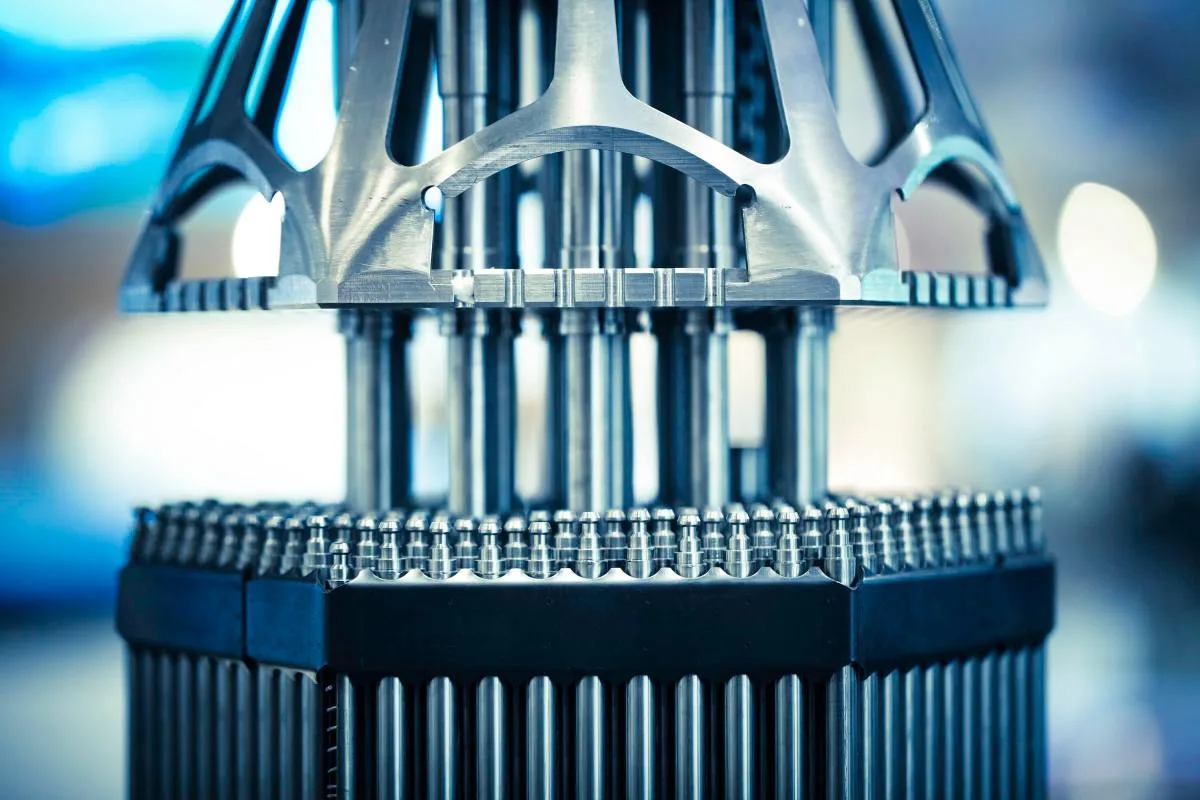
The idea is that these startups can build small reactors that use plutonium as fuel. This could be a game-changer for the nuclear industry. Small reactors are cheaper and easier to build than big ones. They can be used to power small towns or cities. This makes them more versatile than traditional reactors.
The Trump administration hasn't said which startups it wants to work with. But it has said that it will provide funding and support to companies that are interested in using plutonium. This is a big opportunity for nuclear startups. They can get funding and support from the government to build new reactors. It's a chance for them to develop new technology.
And it's not just about the money. The government is also offering to help these startups get the licenses and permits they need to build and operate their reactors. This can be a big hurdle for small companies. They often don't have the resources or expertise to navigate the complex regulatory process. They can't afford to hire experts to handle the paperwork.
But the government's plan is not without controversy. Some people are worried about the safety of using plutonium in small reactors. Plutonium is a highly radioactive material that can be dangerous if it's not handled properly. They're concerned that accidents could happen. They don't want to see a nuclear disaster.
'We need to make sure that these reactors are safe and secure,' said a spokesperson for the Nuclear Regulatory Commission. 'We will be working closely with the companies to ensure that they meet all the necessary safety standards.' The commission won't allow any reactors to operate without meeting the standards.
The government's plan is to have the first plutonium-powered reactors up and running within the next decade. This is an ambitious goal. But if it works, it could be a big step forward for the nuclear industry. It could help the industry grow. It could also help to reduce the amount of plutonium that's stored in high-security facilities.
This is a big problem because these facilities are expensive to maintain. They pose a security risk. The government can't afford to keep them running indefinitely. It's looking for a solution. If the plutonium can be used to make electricity, it would be a win-win for everyone. The government would get to reduce its stockpile of plutonium. And the startups would get to build new reactors that can provide clean energy.
The US isn't the only country that's looking at using plutonium in small reactors. Other countries, like Japan and the UK, are also exploring this option. They're interested in developing new technology. They don't want to be left behind.
- 100 tons of plutonium were made during the Cold War
- The US government wants to use this plutonium to make electricity
- The Trump administration will provide funding and support to companies that are interested in using plutonium
- The first plutonium-powered reactors could be up and running within the next decade
- The Nuclear Regulatory Commission will work with companies to ensure that they meet all the necessary safety standards
And it's not just about the technology. The government's plan also has economic benefits. The nuclear industry is a big employer in the US. It provides thousands of jobs. And if the government can find a new use for plutonium, it could create new jobs. It could stimulate economic growth. The industry could expand.
The government's plan is still in its early stages. But if it works, it could be a big step forward for the nuclear industry. It could help the industry grow. And it could help to reduce the amount of plutonium that's stored in high-security facilities. The government is hopeful. It thinks it can make a difference.
It's a complex issue, but the government is moving forward with its plan. They're working with startups and regulators to make sure that everything is safe and secure. They're taking a cautious approach. They don't want to rush into anything. They want to get it right.
The future of the nuclear industry is uncertain. But one thing is clear: the US government is committed to finding new uses for plutonium. And they're willing to work with startups to make it happen. They're willing to invest time and money. They think it's worth it. They believe it's the right thing to do.