Hollywood and the creator economy aren't just bumping into each other anymore—they're essentially moving into each other’s houses. At 26 years old, YouTuber Curry Barker managed to turn a $750,000 budget into a $75 million global box office hit with his horror flick, Obsession. This success caught the eyes of the big wigs at the prestige-hungry studio A24, who promptly handed him the keys to the Texas Chain Saw Massacre franchise. It's a massive jump. The old gatekeepers are realizing that internet fame has become the most valuable currency in the business.
Following right behind him is 20-year-old creator Kane Parsons, whose debut film Backrooms is set to hit theaters under the A24 banner in just a few days. Industry analysts are already predicting a $25 million opening. That would make Parsons the youngest director ever to rule the domestic box office. While these digital natives are climbing the ladder into traditional studio settings, a totally different game of musical chairs is happening at the top of the food chain.
"There's simply no show or venue in the world that could generate those kinds of numbers. Even if I performed every single day in the biggest theaters in the world, it still wouldn't be possible."
That insight comes from Gabriella Lester, a professional magician and Magic Castle headliner who recently joined the four Horsemen for the Now You See Me LIVE tour at the Sydney Opera House. Even with the gravitas of a global stage, Lester knows the real power is in her phone. Her social media channels command roughly 100 million views every month. She's one example of how traditional entertainers are trying to play catch-up with the kind of direct-to-audience reach that YouTubers have been building in their bedrooms for years.
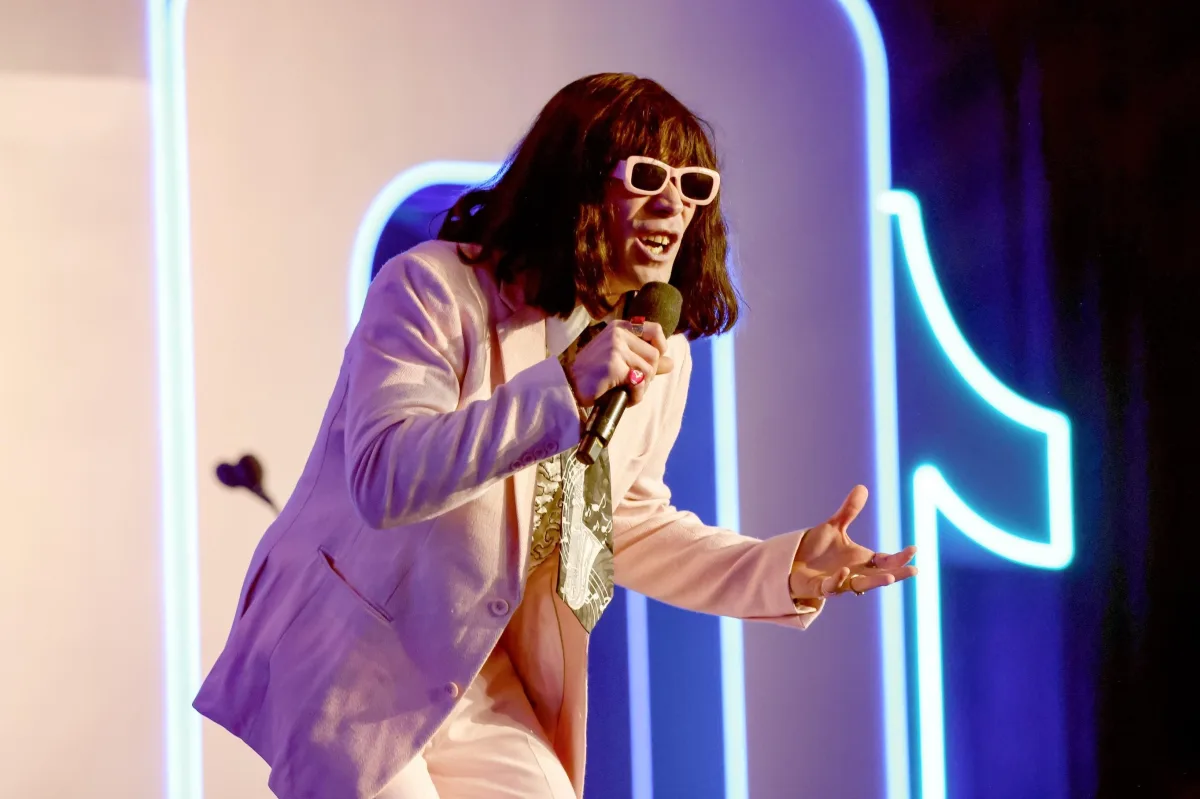
Take the wild saga of KJ Apa, the Riverdale actor currently caught in a strange social media drama. An account going by the name 'Mr. Fantasy' surfaced on TikTok, featuring a musician who bears an uncanny resemblance to Apa—right down to his exact tattoos. Apa has been publicly crying foul, insisting the account is stealing his likeness. The plot thickens every time they're spotted grabbing dinner together in West Hollywood.
It looks less like a legal battle and more like a carefully crafted bit designed to hijack the algorithm. In the influencer world, being 'in on the joke' is the fastest way to stay relevant.
Josh Zimmerman is the man sitting in the middle of this chaotic migration, working as an ICF-certified life coach specifically for creators and celebrity talent. For nine years, he has guided both YouTube stars and silver-screen legends through the messy process of switching lanes. Zimmerman notes that the biggest mistake newcomers make is assuming they can just transplant their old habits into a new platform. The audience on a cinema screen expects a finished, polished product. The audience on TikTok wants raw, unfiltered access to the human behind the lens.
Moving into the creator space is particularly humbling for mainstream stars who are used to being wrapped in scripts and massive production teams. Without a character to hide behind, they often find themselves struggling to build an audience that doesn't just recognize them, but actually cares what they have to say. It's a craft that requires a different set of muscles. Many who try to jump the fence discover they aren't ready to start from zero.
Money is the final arbiter in this shift, and the deal structures in Hollywood are transforming overnight. A few years back, an actor would do a sponsored social post as a small vanity project on the side. Now, that social footprint is a line item in their contract, which directly dictates their value for endorsement deals and film roles. Agencies aren't looking for just an actor or just a creator anymore. They're looking for the 'hybrid' talent who can guarantee a social reach that no broadcast network could ever hope to replicate.