

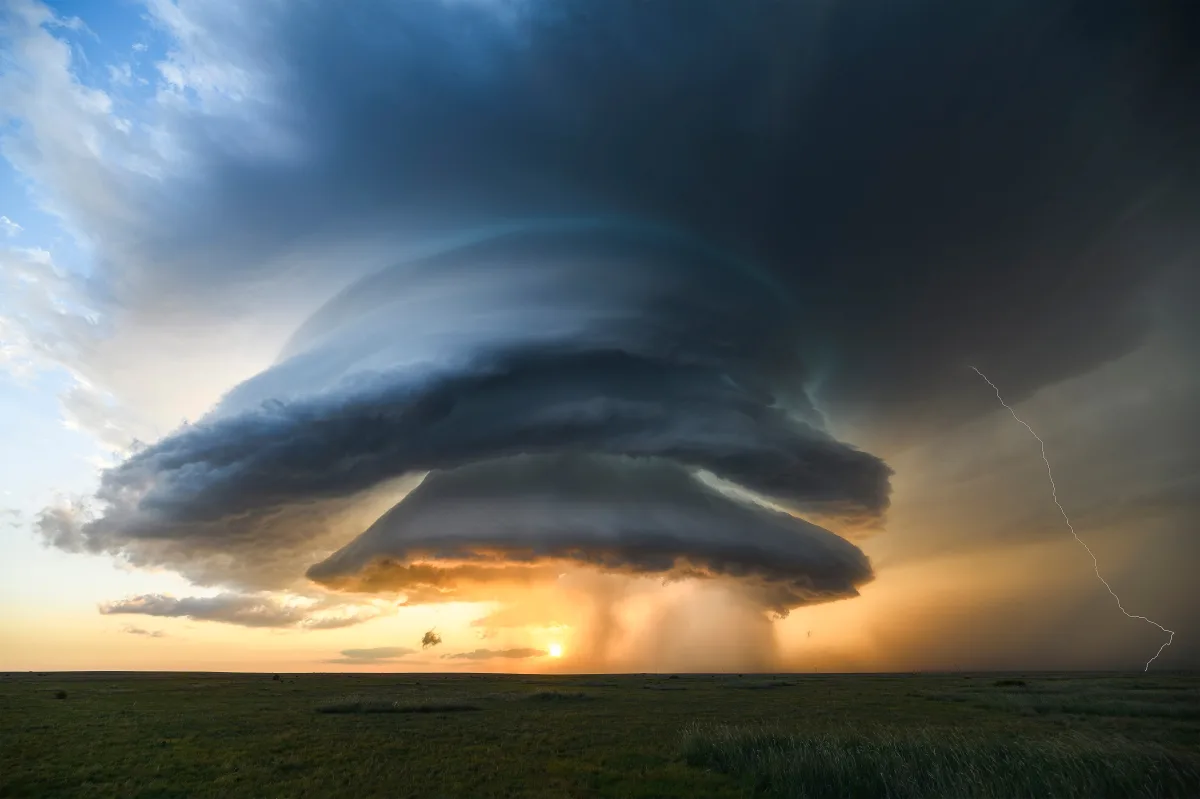
You know that feeling when you drive past a building in Cape Town or a construction site in Sandton and it just looks like a grey eyesore? Some people are literally seeing the geometry, light, and soul in those same structures. The Sony World Competition, which has become the gold standard for global shutterbugs, just unleashed its 2026 professional shortlist. They aren’t just snapping random pictures of houses or mountains. They’re capturing the stories of our time through architecture and landscape.
This isn't your average 'look at my dinner' Instagram post. We’re talking about serious, high-stakes photography that hits the international stage. The professional category is where the heavyweights come out to play, and this year’s selection is a mood. From the sharp, clean lines of futuristic skyscrapers to the brutal beauty of untouched, rugged terrain, these artists are forcing us to pay attention to the spaces we inhabit every single day.
The competition isn't just a trophy hunt for photographers. It acts as a visual map of how we’re reshaping the planet. Architecture entries this year lean heavily into sustainable design and the way urban spaces are evolving to fight off the heat. The landscape category is less about postcards and more about the raw, sometimes harsh reality of climate change. Photographers are documenting the way land shifts and how human expansion gnaws at nature’s edges.
Think about the last time you saw a photograph that actually stopped you in your tracks. Usually, it's the composition—the way the shadows fall or how the photographer found a perspective that makes a normal house look like a palace. That is exactly what this jury looks for. They don't care about how much your camera cost; they care about how you see the world. It’s about the narrative you build between the viewer and the subject.
The judges this year sifted through hundreds of thousands of entries to get to these final few. It’s a brutal process. Many photographers spend months, sometimes years, waiting for the one perfect light condition to capture a project. For those focused on architectural photography, the challenge often involves navigating strict building access and strict safety protocols to get that one elusive angle.
The sheer scale of the detail captured in these frames distinguishes this year's competition. When you zoom in on these files, you can see the texture of the materials, the dust particles in the air, and the tiny imperfections that make an image feel real. These images prove that even in a digital-heavy world, the human eye remains the most powerful tool in the kit. The final winners will be announced soon, and for these shooters, a win here is like winning the Oscars for photography.
The camera is an instrument that teaches people how to see without a camera.
This quote from a legendary photographer captures why this competition remains relevant. For the average person, it’s a chance to look at familiar landscapes with a fresh set of eyes. It changes the way you walk through your own city. You start noticing the way the afternoon sun hits the glass of an office block or how the wind shapes the dunes at the beach. That’s the real prize here—it’s not about the certificate or the gear, but about changing the perspective of the people scrolling through these images.