

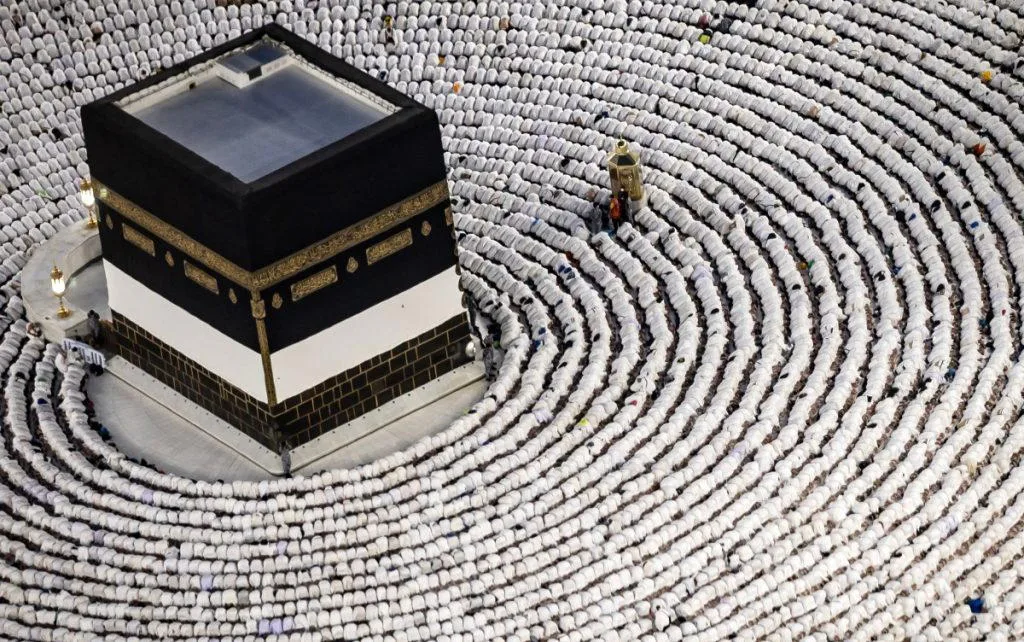
The Hajj pilgrimage is a test of faith and endurance, but for one Nigerian traveller, the 2026 journey ended in heartbreak. A male pilgrim, identified as being from Bauchi State, died during the overnight trek between the holy sites of Arafat and Muzdalifah in Saudi Arabia. This transition is the most physically taxing phase of the Hajj experience because of the intense physical exertion required over long distances.
Events unfolded in the early hours of Wednesday as thousands of pilgrims moved across the desert terrain. Saudi security officials were spotted on the scene, working alongside emergency medical personnel to clear the path and remove the body. The incident happened amid a sea of worshippers, as the sheer density of the crowd creates intense pressure during these movements.
Two officials attached to the Bauchi State pilgrims contingent were present during the recovery, assisting with the necessary protocols in the aftermath. Their identities haven't been publicised, yet their presence provided a link between the local delegation and the Saudi authorities managing the site. The Saudi police were seen wheeling the deceased away through the crowded transit route to a medical facility.
The trek between Arafat and Muzdalifah is notoriously difficult, covering several kilometres that pilgrims must often navigate on foot. Extreme desert temperatures and the relentless sun frequently push the limits of even the most physically fit individuals during the ritual calendar. Millions of people occupy the same narrow corridors at the same time. This makes medical emergencies like heat exhaustion or respiratory distress a constant concern for authorities.
Official confirmation regarding the exact identity of the deceased remains pending, as bureaucracy in international pilgrimages can be slow. The medical cause of death hasn't been disclosed, though exhaustion remains a common factor during this period of the rites. Officials from the National Hajj Commission of Nigeria (NAHCON) usually coordinate these cases, working with family members back home to manage the necessary arrangements for interment within the kingdom.
"The pilgrim was wheeled out by Saudi police officers alongside members of an emergency medical team, while two officials believed to be attached to the Bauchi State pilgrims contingent accompanied the evacuation process."
In recent years, Saudi Arabia has invested heavily in infrastructure to make these transfers safer, including expanded walkways and improved emergency response centres. These upgrades increase the capacity for rapid medical intervention and crowd management. The unpredictability of human health during such massive gatherings keeps the medical teams on high alert 24/7. Nigerian pilgrims often undergo a series of medical screenings before departing, but the reality of the desert climate and the fatigue of the journey remain unavoidable obstacles.
For the Bauchi State pilgrims currently in the region, the death of a fellow countryman brings a solemn tone to what is meant to be a joyous spiritual completion. The state contingent leaders are responsible for notifying the next of kin in Nigeria before any further announcements are made public. Once the burial rites are concluded in accordance with local customs, the focus will return to the remaining stages of the Hajj, including the symbolic stoning of the devil in Mina.
Saudi law dictates specific procedures for the death of foreign nationals during the Hajj, often leading to burial in the holy land if the family consents. This process typically moves faster than domestic standards to ensure the sanctity of the pilgrimage remains uninterrupted. Consular officials are expected to liaise with the Saudi interior ministry to finalise the documentation and ensure that the family is supported throughout the grieving process.