

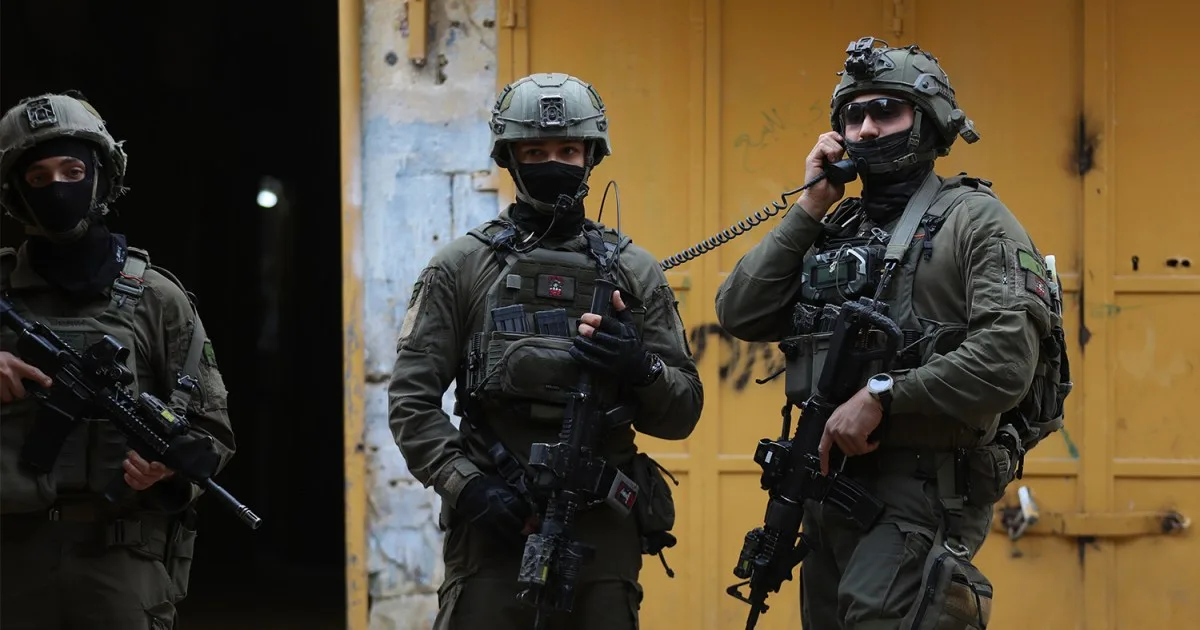
Today's events in the West Bank are a stark reminder of the long-standing tensions between Israeli settlers and Palestinians. The West Bank, a territory that has been under Israeli occupation since 1967, has seen numerous clashes over the years, with both sides accusing each other of aggression. The latest raids, which involved dozens of Israeli settlers, have left a trail of destruction in their wake, with homes and cars set on fire, and several Palestinians injured.
The settlers, who are primarily from the hardline Israeli right, have been known to carry out such attacks in the past, often under the guise of retaliation for perceived Palestinian aggression. However, human rights groups and Palestinian officials have long argued that these attacks are, in fact, a form of collective punishment, aimed at intimidating and displacing Palestinian communities. The Israeli government, which has a complex and often contentious relationship with the settler movement, has been criticized for not doing enough to prevent these attacks.
The West Bank, which is home to over 2.5 million Palestinians, has been the site of numerous conflicts over the years, with issues such as land ownership, resource management, and security being major points of contention. The Israeli settlements, which are considered illegal under international law, have been a major stumbling block in peace negotiations between Israel and the Palestinians. The settlements, which are home to over 600,000 Israelis, are seen by many as a manifestation of Israel's desire to annex the West Bank and undermine Palestinian claims to statehood.
The international community has long called for a two-state solution to the Israeli-Palestinian conflict, with the West Bank and Gaza Strip forming the basis of a future Palestinian state. However, the continued expansion of Israeli settlements has made this goal increasingly difficult to achieve. The latest raids, which have sparked widespread condemnation, have only added to the sense of urgency and frustration that pervades the region.
Key Facts
- Dozens of Israeli settlers stormed areas of the West Bank
- Cars and homes were set on fire
- Several Palestinians were injured
- The Israeli government has yet to comment on the incidents
- The West Bank has been under Israeli occupation since 1967
- Over 2.5 million Palestinians live in the West Bank
- Over 600,000 Israelis live in settlements in the West Bank
- The settlements are considered illegal under international law
Background to the Conflict
The Israeli-Palestinian conflict is a complex and deeply ingrained issue, with roots that date back to the early 20th century. The conflict is fueled by competing claims to the same land, with both sides arguing that they have a historical and cultural connection to the territory. The Israeli government has long argued that it has a right to defend its citizens and maintain its sovereignty over the West Bank, while Palestinian officials argue that they have a right to self-determination and statehood.
The conflict has been marked by numerous attempts at peace negotiations, including the Oslo Accords in the 1990s and the Kerry Initiative in the 2010s. However, these efforts have been consistently thwarted by a combination of factors, including the expansion of Israeli settlements, the rise of extremist groups on both sides, and the lack of a clear and coherent vision for a two-state solution. The latest raids are just the latest manifestation of this ongoing conflict, and they have sparked widespread concern about the prospects for peace in the region.
The international community has a critical role to play in resolving the conflict, and many countries have called for a renewed effort to negotiate a two-state solution. However, the latest raids have only added to the sense of pessimism that pervades the region, and it remains to be seen whether the parties can find a way to overcome their differences and work towards a lasting peace.
The Role of the Israeli Government
The Israeli government has a complex and often contentious relationship with the settler movement, and it has been criticized for not doing enough to prevent attacks like the ones that occurred today. The government has long argued that it is committed to maintaining law and order in the West Bank, but it has also been accused of turning a blind eye to settler violence. The latest raids have only added to the sense of outrage and frustration that pervades the region, and it remains to be seen how the government will respond to the incidents.
The Israeli government is led by Prime Minister Benjamin Netanyahu, who has been a long-time supporter of the settler movement. Netanyahu has argued that the settlements are a vital part of Israel's security infrastructure, and that they are necessary to protect the country from Palestinian terrorism. However, his government has also been criticized for its handling of the conflict, and many have accused him of prioritizing the interests of the settler movement over those of the broader Israeli public.
The Israeli government's response to the latest raids will be closely watched, and it remains to be seen whether it will take concrete steps to prevent future attacks. The government has a range of options at its disposal, including increasing security patrols in the West Bank, prosecuting settlers who engage in violence, and taking steps to address the underlying issues that fuel the conflict.
The Human Cost of the Conflict
The conflict in the West Bank has a profound human cost, with thousands of Palestinians and Israelis affected by the violence and instability that pervades the region. The latest raids are just the latest manifestation of this ongoing conflict, and they have sparked widespread concern about the impact on civilians. The conflict has been marked by numerous human rights abuses, including the use of excessive force by Israeli security forces, the destruction of Palestinian homes and livelihoods, and the displacement of thousands of people.
The conflict has also had a profound psychological impact on the people of the region, with many suffering from anxiety, depression, and post-traumatic stress disorder. The latest raids have only added to the sense of trauma and fear that pervades the region, and it remains to be seen how the parties can work towards a lasting peace that addresses the needs and concerns of all parties.
The situation in the West Bank is a ticking time bomb, and it's only a matter of time before we see another explosion of violence. The international community needs to take concrete steps to address the underlying issues that fuel the conflict, and to work towards a lasting peace that recognizes the rights and dignity of all parties.
The International Response
The international community has a critical role to play in resolving the conflict, and many countries have called for a renewed effort to negotiate a two-state solution. The United States, which has long been a key player in the region, has been accused of being too supportive of Israel, and of not doing enough to pressure the Israeli government to take concrete steps to address the conflict. The European Union, which has been a vocal critic of Israeli settlement expansion, has called for a renewed effort to negotiate a two-state solution, and has pledged to support any initiative that promotes peace and stability in the region.
The United Nations, which has a long history of involvement in the conflict, has also called for a renewed effort to negotiate a two-state solution. The UN has been a vocal critic of Israeli settlement expansion, and has argued that the settlements are a major obstacle to peace. The UN has also been critical of Palestinian terrorism, and has argued that all parties must take concrete steps to address the underlying issues that fuel the conflict.
The Way Forward
The latest raids in the West Bank are a stark reminder of the need for a lasting peace in the region. The conflict has been ongoing for decades, and it has had a profound impact on the people and the region. The parties must find a way to overcome their differences and work towards a two-state solution that recognizes the rights and dignity of all parties. The international community has a critical role to play in supporting this effort, and it must take concrete steps to address the underlying issues that fuel the conflict.
The way forward will not be easy, and it will require a combination of courage, compromise, and creativity. The parties must be willing to take risks and make difficult decisions, and they must be supported by the international community. The latest raids are just the latest manifestation of this ongoing conflict, and they have sparked widespread concern about the prospects for peace in the region. However, they also offer a chance for the parties to come together and work towards a lasting peace that addresses the needs and concerns of all parties.
Conclusion
The conflict in the West Bank is a complex and deeply ingrained issue, and it will require a sustained effort to resolve. The latest raids are just the latest manifestation of this ongoing conflict, and they have sparked widespread concern about the prospects for peace in the region. However, they also offer a chance for the parties to come together and work towards a lasting peace that addresses the needs and concerns of all parties. The international community has a critical role to play in supporting this effort, and it must take concrete steps to address the underlying issues that fuel the conflict. The way forward will not be easy, but it is essential that the parties find a way to overcome their differences and work towards a two-state solution that recognizes the rights and dignity of all parties.