

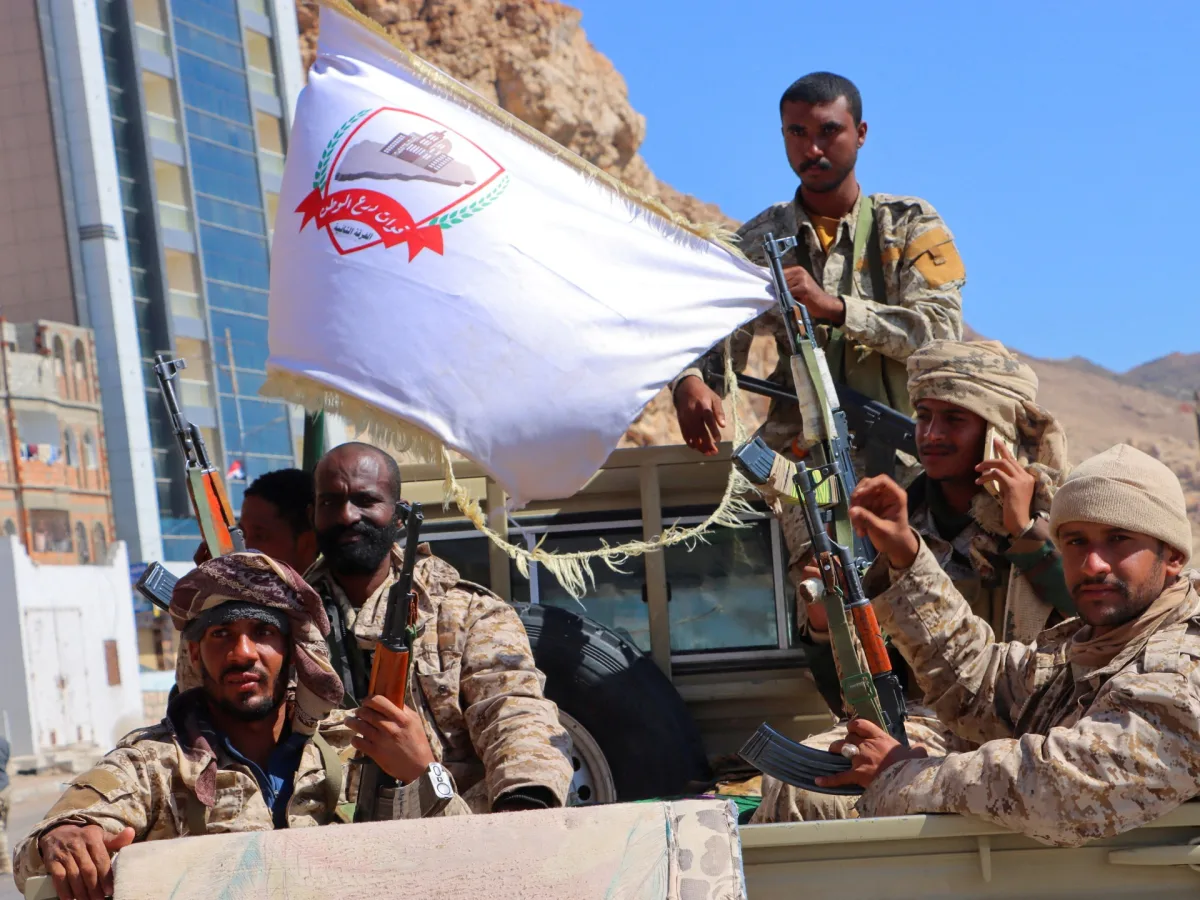
Yemen's army is facing a severe financial crisis, with soldiers waiting for their wages as the country's unstable currency continues to erode the value of their salaries. The situation is dire, with monthly salaries ranging from $38 to $116, leaving many soldiers struggling to make ends meet. This financial burden is not only affecting the soldiers but also the overall stability of the country. Yemen has been embroiled in a civil war since 2015, and the economic situation has continued to deteriorate. The country's economy has been largely dependent on foreign aid, which has been inconsistent and often delayed.
The financial struggles of Yemen's army are a result of the country's unstable currency, which has lost significant value in recent years. The Yemeni rial has been fluctuating wildly, making it difficult for soldiers to predict their earnings. This has led to a situation where soldiers are often forced to go without pay for months, leaving them struggling to provide for their families. The situation is further complicated by the fact that many soldiers are not receiving their full salaries, with some reporting that they are only receiving a fraction of their earnings. This has led to widespread discontent among soldiers, with many feeling that they are not being fairly compensated for their service.
The impact of the financial struggles on Yemen's army is far-reaching. Many soldiers are struggling to make ends meet, and some have even been forced to take on second jobs to supplement their income. This has led to a situation where soldiers are often distracted from their duties, as they are forced to focus on finding ways to support their families. The situation is also affecting the overall morale of the army, with many soldiers feeling demotivated and disillusioned with the situation. The government has promised to address the issue, but so far, little has been done to alleviate the financial struggles of Yemen's army.
The financial struggles of Yemen's army are also having a broader impact on the country. The economy is already struggling, and the situation is being exacerbated by the fact that many soldiers are not receiving their salaries. This is leading to a situation where families are struggling to access basic necessities like food and healthcare. The situation is also affecting the overall stability of the country, as discontent among soldiers is growing. There are fears that the situation could lead to widespread unrest, as soldiers become increasingly frustrated with the situation.
Key Facts
- Yemeni soldiers earn $38 to $116 monthly
- The unstable currency has eroded the value of their salaries
- The country's economy is largely dependent on foreign aid
- The Yemeni rial has been fluctuating wildly
- Many soldiers are not receiving their full salaries
- Soldiers are often forced to go without pay for months
- The situation is affecting the overall morale of the army
- The government has promised to address the issue
History of the Conflict
Yemen's civil war began in 2015, when Houthi rebels seized control of the capital city, Sana'a. The conflict has been ongoing ever since, with the government struggling to regain control of the country. The situation has been further complicated by the fact that the conflict has drawn in other countries, including Saudi Arabia and the United Arab Emirates. These countries have been providing military support to the government, but the situation remains unresolved. The conflict has had a devastating impact on the country, with thousands of civilians killed and many more displaced.
The conflict has also had a significant impact on the country's economy. The war has disrupted trade and commerce, leading to widespread poverty and unemployment. The situation has been exacerbated by the fact that the country is heavily dependent on foreign aid, which has been inconsistent and often delayed. The government has struggled to provide basic services, including healthcare and education, and the situation is being further complicated by the fact that many soldiers are not receiving their salaries. The situation is dire, and there are fears that the country could collapse if the situation is not addressed.
The history of the conflict is complex, with many different factions involved. The Houthi rebels are a Shia Muslim group that has been seeking greater autonomy for the northern region of the country. The government, on the other hand, is dominated by Sunni Muslims, who have historically held power in the country. The conflict has been fueled by sectarian tensions, as well as a desire for greater autonomy and resources. The situation is being further complicated by the fact that other countries are involved, including Saudi Arabia and the United Arab Emirates, who are providing military support to the government.
Economic Impact
The economic impact of the conflict has been devastating. The country's economy is largely dependent on foreign aid, which has been inconsistent and often delayed. The situation has been exacerbated by the fact that the conflict has disrupted trade and commerce, leading to widespread poverty and unemployment. The government has struggled to provide basic services, including healthcare and education, and the situation is being further complicated by the fact that many soldiers are not receiving their salaries. The situation is dire, and there are fears that the country could collapse if the situation is not addressed.
The economic situation is being further complicated by the fact that the country's currency is unstable. The Yemeni rial has been fluctuating wildly, making it difficult for businesses to operate and for individuals to access basic necessities like food and healthcare. The situation is being exacerbated by the fact that the country is heavily dependent on imports, which are becoming increasingly expensive due to the unstable currency. The government has promised to address the issue, but so far, little has been done to alleviate the economic struggles of the country.
The economic impact of the conflict is not limited to Yemen. The situation is also having a broader impact on the region, with many countries affected by the instability. The conflict has disrupted trade and commerce, leading to widespread poverty and unemployment. The situation is being further complicated by the fact that many countries are involved, including Saudi Arabia and the United Arab Emirates, who are providing military support to the government. The situation is dire, and there are fears that the conflict could spread to other countries in the region.
Humanitarian Crisis
The conflict in Yemen has led to a devastating humanitarian crisis. Thousands of civilians have been killed, and many more have been displaced. The situation is being further complicated by the fact that the country is struggling to provide basic services, including healthcare and education. The government has promised to address the issue, but so far, little has been done to alleviate the humanitarian struggles of the country.
The humanitarian crisis is being exacerbated by the fact that many soldiers are not receiving their salaries. This is leading to a situation where families are struggling to access basic necessities like food and healthcare. The situation is dire, and there are fears that the humanitarian crisis could worsen if the situation is not addressed. The international community has been criticized for not doing enough to address the crisis, and there are calls for greater action to be taken to alleviate the suffering of the Yemeni people.
The humanitarian crisis is not limited to Yemen. The situation is also having a broader impact on the region, with many countries affected by the instability. The conflict has disrupted trade and commerce, leading to widespread poverty and unemployment. The situation is being further complicated by the fact that many countries are involved, including Saudi Arabia and the United Arab Emirates, who are providing military support to the government. The situation is dire, and there are fears that the conflict could spread to other countries in the region.
International Response
The international community has been criticized for not doing enough to address the crisis in Yemen. The United Nations has been working to broker a peace deal, but so far, little progress has been made. The situation is being further complicated by the fact that many countries are involved, including Saudi Arabia and the United Arab Emirates, who are providing military support to the government. The international community has been accused of not doing enough to hold these countries accountable for their actions.
The international response to the crisis has been slow and inadequate. The United Nations has been working to provide humanitarian aid, but the situation is dire, and more needs to be done to alleviate the suffering of the Yemeni people. The international community has been accused of not doing enough to address the root causes of the conflict, including the sectarian tensions and the desire for greater autonomy and resources. The situation is complex, and there are no easy solutions, but the international community must do more to address the crisis.
The situation in Yemen is a humanitarian crisis of epic proportions, and the international community must do more to address it. The conflict has led to thousands of civilian deaths, and many more have been displaced. The situation is dire, and there are fears that the crisis could worsen if the situation is not addressed.
Future Prospects
The future prospects for Yemen are uncertain. The conflict has been ongoing for years, and there are no easy solutions. The situation is complex, and there are many different factions involved. The government has promised to address the issue, but so far, little has been done to alleviate the financial struggles of the army. The situation is dire, and there are fears that the conflict could spread to other countries in the region.
The future prospects for the army are also uncertain. Many soldiers are struggling to make ends meet, and some have even been forced to take on second jobs to supplement their income. The situation is being further complicated by the fact that the country's currency is unstable, making it difficult for soldiers to predict their earnings. The government has promised to address the issue, but so far, little has been done to alleviate the financial struggles of the army.
The future prospects for the country are also uncertain. The conflict has disrupted trade and commerce, leading to widespread poverty and unemployment. The situation is being further complicated by the fact that the country is heavily dependent on foreign aid, which has been inconsistent and often delayed. The government has promised to address the issue, but so far, little has been done to alleviate the economic struggles of the country. The situation is dire, and there are fears that the country could collapse if the situation is not addressed.
Conclusion
In conclusion, the financial struggles of Yemen's army are a result of the country's unstable currency and the ongoing conflict. The situation is dire, and there are fears that the conflict could spread to other countries in the region. The international community must do more to address the crisis, including providing humanitarian aid and working to broker a peace deal. The situation is complex, and there are no easy solutions, but the international community must do more to alleviate the suffering of the Yemeni people. The future prospects for Yemen are uncertain, and it remains to be seen what the outcome will be.
But one thing is certain: the situation in Yemen is a humanitarian crisis of epic proportions, and something must be done to address it.