

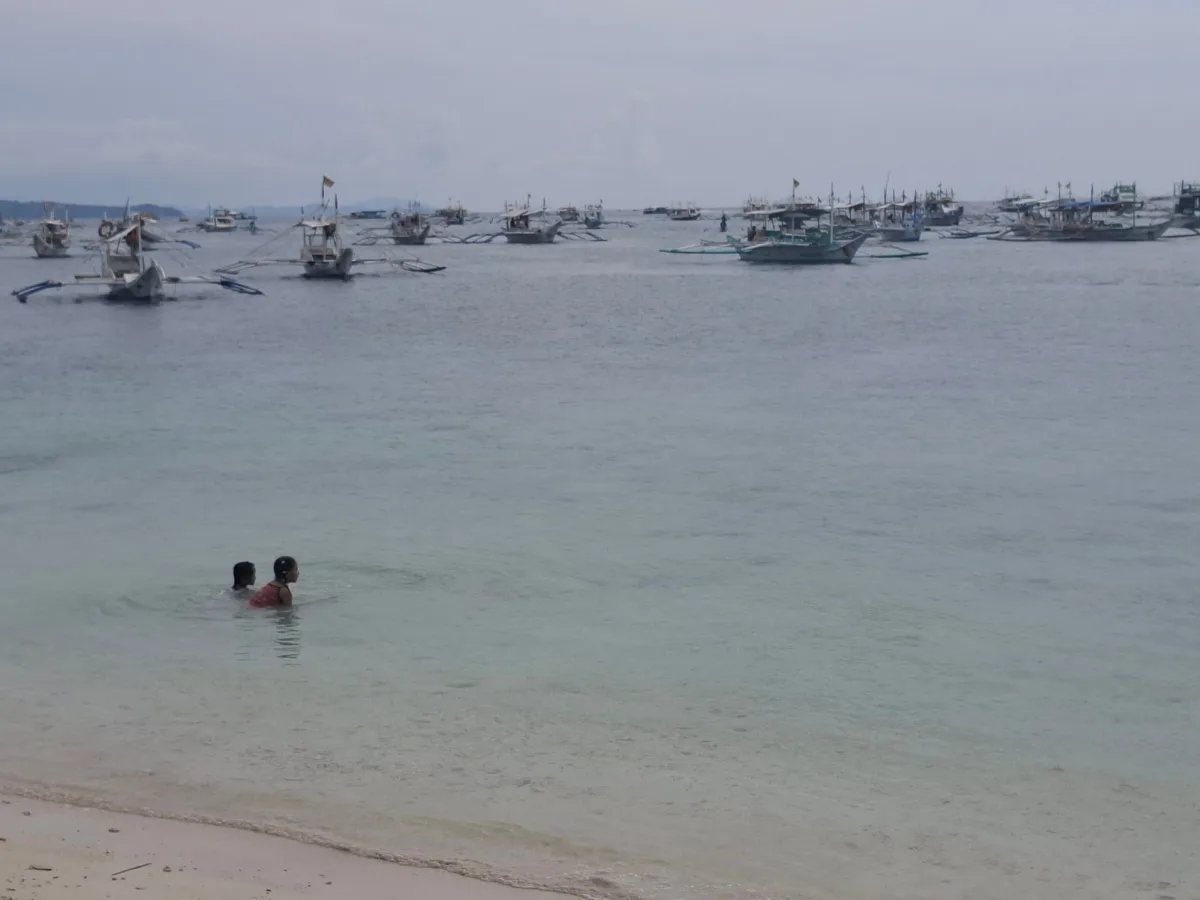
The P7.78-billion Boracay Bridge project is officially dead. It's been buried by the weight of public opinion and a stubborn refusal from the people of Aklan to let their island become a mere extension of the mainland. Aklan Governor Jose Enrique “Joen” Miraflores dropped the news on Wednesday, May 27. He’s effectively ended months of speculation and anxiety for thousands of local residents.
It wasn't just a simple meeting behind closed doors. The decision came after a sit-down on May 13 at the San Miguel Corp. headquarters in Ortigas Center, Mandaluyong City. The delegation included the Governor himself, 2nd District Representative Florencio “Joeben” Miraflores, 1st District Representative Jesus “Jess” Marquez, and Provincial Board Member Reynaldo “Boy” Quimpo. They faced off with Ramon Ang, the president of the conglomerate, to explain exactly why this bridge was a bad idea for the island's soul.
"In the end, nag-agree na rin siya na hindi na lang itutuloy yung Boracay Bridge. He listens. Ramon Ang listens. And of course, hindi lang dahil sa amin, dahil sa inyo ‘yan. Because of you, because of the opposition made, yung noise na ginawa ninyo, lahat kayo."
The primary fear, which spread like wildfire across social media, was the survival of the small-time operators. Hundreds of tricycle drivers and boat operators who rely on the Caticlan Jetty Port would have seen their daily bread disappear if a bridge had made their services redundant. The local government ensured Ang understood that this wasn't just about traffic; it was about the families whose lives are anchored to the current ferry system.
Environmentalists also made their voices heard loud and clear. Boracay has spent years trying to recover from its reputation as a cesspool. This follows the massive cleanup and rehabilitation efforts that saw the island shut down to tourists back in 2018. The thought of a permanent concrete structure looming over the delicate ecosystem didn't sit well with the very people tasked with protecting the island's fragile shoreline.
The Department of Public Works and Highways had actually handed the project to San Miguel Holdings Corporation on March 30. That was a major financial milestone for the company at the time. The bureaucratic ink was barely dry before the reality of community pushback set in. For many, this represents a rare instance where the collective voice of the "little guy" actually forced a corporate giant to pause and rethink its strategy.
Even with the bridge off the table, the corporate giant isn't packing its bags completely. Ramon Ang remains focused on the long-term transformation of the Godofredo P. Ramos Airport, better known to most travelers as Caticlan Airport. The company, through its subsidiary Trans Aire Development Holdings Corp., already holds a 25-year contract to run that hub, and they aren't letting that go anytime soon.
The airport expansion is a massive deal in itself. With a budget of P2.51 billion, the project is designed to stretch the current 900-meter runway all the way to 2.1 kilometers. Once completed, the airport will be able to handle massive Airbus 320 jetliners directly. This is the company’s real golden ticket to bringing in more international visitors. They’ve been aggressively modernizing the terminal and upgrading air traffic control systems since they acquired a majority stake back in 2010.
This outcome provides a clear example of how local stakeholders can exert real power. While the bridge was promised to be a modern convenience, the community saw the long-term costs of lost jobs and potential environmental damage as a price they weren't willing to pay. The people of Malay and the wider Aklan province can breathe a sigh of relief knowing their island will remain separated from the mainland. This preserves the ferry-ride experience that is so central to arriving in Boracay.