

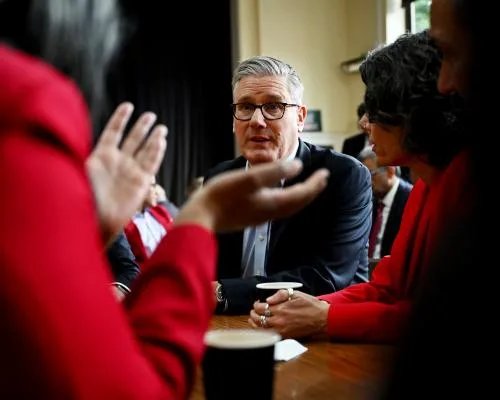
The local election results have sent shockwaves through the Labour Party, with Keir Starmer facing calls to resign. The party suffered a devastating night, losing hundreds of councillors in England and suffering a historic loss in Wales. The results have sparked a crisis within the party, with some Labour MPs demanding Starmer's resignation. Starmer has taken responsibility for the losses, but has made it clear that he will not quit. He's said that tough days like this don't weaken his resolve, but it's clear that the pressure is mounting.
The results in Wales were particularly damaging for Labour, with the party losing power after 27 years. Plaid Cymru won the largest number of seats, although they fell short of a majority. In Scotland, the SNP is emerging as the victor, while in England, Reform UK has made significant gains. The party, led by Nigel Farage, has gained over 1,200 seats and control of 12 councils. Farage has declared that he's ushered in a truly historic shift in British politics.
The Liberal Democrats and Green party have also made gains at the expense of Labour, with Greens leader Zack Polanski announcing that the era of two-party politics is dead and buried.
The election results have sparked a debate about the future of the Labour Party and its leadership. Some Labour MPs have come out in support of Starmer, including Health Secretary Wes Streeting and Home Secretary Shabana Mahmood. However, others have called for his resignation, citing the party's poor performance. Clive Betts, MP for Sheffield South East, has said that Starmer has to go in the not too distant future, while Sarah Owen, MP for Luton North, has said that it's do or die for the Labour leadership. The party is facing a crisis of confidence, and it's unclear how it will recover from these devastating results.
The local elections were seen as a test of the Labour Party's popularity and its ability to challenge the Conservative Party. However, the results have shown that the party still has a long way to go. The losses in England and Wales are a significant setback, and it's clear that the party needs to regroup and reassess its strategy. Starmer has said that he will take responsibility for the losses and work to rebuild the party, but it's unclear if he will be given the chance. The pressure is mounting, and it's possible that we could see a leadership challenge in the coming weeks.
Key Facts
- Keir Starmer is facing calls to resign after Labour's poor performance in the local elections
- Labour lost hundreds of councillors in England and suffered a historic loss in Wales
- Plaid Cymru won the largest number of seats in Wales, but fell short of a majority
- Reform UK gained over 1,200 seats and control of 12 councils in England
- Nigel Farage has declared that he's ushered in a truly historic shift in British politics
- The Liberal Democrats and Green party made gains at the expense of Labour
- Zack Polanski announced that the era of two-party politics is dead and buried
- Health Secretary Wes Streeting and Home Secretary Shabana Mahmood have come out in support of Starmer
- Clive Betts and Sarah Owen have called for Starmer's resignation
The Fallout
The fallout from the election results has been intense, with many Labour MPs questioning Starmer's leadership. The party's poor performance has sparked a debate about its future and its ability to challenge the Conservative Party. Some have called for Starmer to resign, citing the party's losses in England and Wales. Others have come out in support of him, saying that he should be given the chance to rebuild the party. The situation is fluid, and it's unclear how it will play out.
One thing is certain, however: the Labour Party is facing a crisis of confidence, and it needs to find a way to recover quickly.
The pressure on Starmer is mounting, and it's possible that we could see a leadership challenge in the coming weeks. The party's rules make it difficult to remove a leader, but it's not impossible. If Starmer is to survive, he needs to take decisive action to address the party's problems. This could include reshuffling his cabinet, changing the party's policy direction, or simply rallying the troops. Whatever he chooses to do, he needs to act quickly to restore confidence in the party.
The election results have also sparked a debate about the future of British politics. The rise of Reform UK and the gains made by the Liberal Democrats and Green party suggest that the traditional two-party system is under threat. This could have significant implications for the country, as smaller parties gain more influence and the traditional parties are forced to adapt. It's a complex and rapidly changing landscape, and it's unclear how it will play out.
The Rise of Reform UK
Reform UK has been one of the big winners in the local elections, gaining over 1,200 seats and control of 12 councils in England. The party, led by Nigel Farage, has been campaigning on a platform of reform and change. Farage has declared that he's ushered in a truly historic shift in British politics, and it's clear that the party is on the rise. However, it's unclear what this means for the future of British politics. Will Reform UK continue to grow and challenge the traditional parties, or will it fade away like other smaller parties?
The success of Reform UK has sparked a debate about the party's policies and its impact on British politics. Some have praised the party's commitment to reform and its willingness to challenge the status quo. Others have criticized its policies, saying that they are divisive and lack depth. Whatever the case, it's clear that Reform UK is a force to be reckoned with, and it will be interesting to see how it develops in the coming months.
The era of two-party politics is not just dying, it is dead and it is buried. The results of the local elections show that the traditional parties are no longer dominant, and that smaller parties are gaining influence. This is a significant shift in British politics, and it's unclear what the implications will be.
The Labour Party's Crisis
The Labour Party is facing a crisis of confidence, and it's unclear how it will recover. The party's poor performance in the local elections has sparked a debate about its future and its ability to challenge the Conservative Party. Some have called for Starmer to resign, citing the party's losses in England and Wales. Others have come out in support of him, saying that he should be given the chance to rebuild the party.
The situation is fluid, and it's unclear how it will play out. One thing is certain, however: the Labour Party needs to find a way to recover quickly. This could involve reshuffling the cabinet, changing the party's policy direction, or simply rallying the troops. Whatever Starmer chooses to do, he needs to act quickly to restore confidence in the party. The Labour Party has a long history of bouncing back from adversity, but it's unclear if it can do so this time.
The party's crisis is not just about Starmer's leadership; it's about the party's overall direction and purpose. The Labour Party has traditionally been a party of the working class, but it's unclear if it still represents the interests of that group. The party needs to find a way to reconnect with its base and to develop a clear and compelling vision for the future. This will not be easy, but it's essential if the party is to survive and thrive.
The Future of British Politics
The local election results have sparked a debate about the future of British politics. The rise of Reform UK and the gains made by the Liberal Democrats and Green party suggest that the traditional two-party system is under threat. This could have significant implications for the country, as smaller parties gain more influence and the traditional parties are forced to adapt.
The future of British politics is uncertain, and it's unclear what the implications of these changes will be. Some have praised the diversity and complexity of the new political landscape, saying that it will lead to more nuanced and effective governance. Others have criticized the fragmentation of the political system, saying that it will lead to instability and gridlock. Whatever the case, it's clear that British politics is changing, and it will be interesting to see how it develops in the coming months.
The local election results have also sparked a debate about the role of smaller parties in British politics. Some have argued that smaller parties are essential to a healthy democracy, providing a voice for marginalized groups and challenging the dominant parties. Others have argued that smaller parties are a threat to stability and effectiveness, saying that they can lead to fragmentation and gridlock. Whatever the case, it's clear that smaller parties are here to stay, and it will be interesting to see how they develop in the coming months.
The Role of the Media
The media has played a significant role in the local election campaign, with many outlets providing extensive coverage of the results. The media has also been criticized for its bias and lack of depth, with some arguing that it has failed to provide a nuanced and balanced view of the election. However, it's clear that the media has a crucial role to play in shaping public opinion and holding politicians to account.
The media's coverage of the election has been intense, with many outlets providing live updates and analysis of the results. The media has also been quick to declare winners and losers, with some outlets praising the success of Reform UK and the Liberal Democrats. However, it's clear that the media needs to be careful in its coverage, avoiding sensationalism and providing a balanced view of the election.
The role of social media in the election has also been significant, with many politicians and parties using it to campaign and connect with voters. Social media has provided a platform for smaller parties and independent candidates to reach a wider audience, and it has also allowed voters to engage with politicians and parties in new and innovative ways. However, it's clear that social media also has its limitations, and it's unclear what the long-term implications of its use in politics will be.
Conclusion
The local election results have sent shockwaves through the Labour Party, with Keir Starmer facing calls to resign. The party's poor performance has sparked a debate about its future and its ability to challenge the Conservative Party. The rise of Reform UK and the gains made by the Liberal Democrats and Green party suggest that the traditional two-party system is under threat. The future of British politics is uncertain, and it's unclear what the implications of these changes will be. One thing is certain, however: the Labour Party needs to find a way to recover quickly, and it needs to develop a clear and compelling vision for the future.