

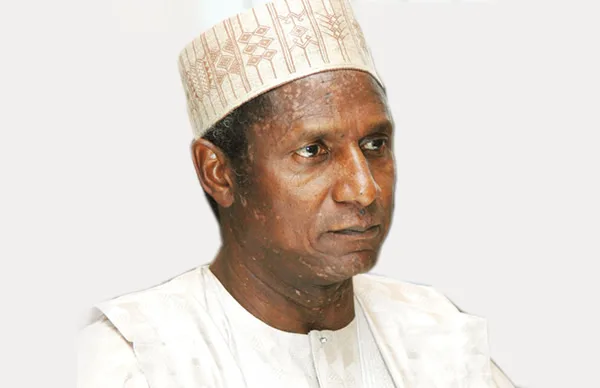
Today, Nigerian leaders are being urged to take a page out of former President Umaru Yar'Adua's book and emulate his transparency, integrity, and simple lifestyle. Yar'Adua, who was known for his humility, is being remembered as a leader who led by example. His leadership style is being held up as a model for others to follow, with many calling for a return to the values he embodied. This comes at a time when Nigeria is facing numerous challenges, and many are looking for a leader who can bring about positive change. Yar'Adua's legacy is a reminder that leadership is not just about power, but about serving the people.
Nigeria has a long history of complex leadership, with many leaders struggling to balance the needs of the country with their own personal interests. Yar'Adua's leadership style was a breath of fresh air, as he prioritized the needs of the people and worked to create a more transparent and accountable government. His commitment to integrity and simplicity is something that many Nigerians are nostalgic for, and it's not hard to see why. In a country where corruption is a major issue, Yar'Adua's example is a powerful reminder that things can be done differently. By emulating his leadership virtues, Nigerian leaders can start to rebuild trust with the people and create a more just and equitable society.
Yar'Adua's leadership was not without its challenges, however. He faced many obstacles during his time in office, from health issues to political opposition. Despite these challenges, he remained committed to his values and continued to work towards creating a better Nigeria. His legacy is a testament to the power of perseverance and dedication, and it's a reminder that even in the toughest of times, leaders can make a positive impact. As Nigerian leaders look to the future, they would do well to remember Yar'Adua's example and strive to create a government that is truly of the people, by the people, and for the people.
The call for Nigerian leaders to emulate Yar'Adua's leadership virtues is not just a sentimental gesture, but a necessary step towards creating a more just and equitable society. By prioritizing transparency, integrity, and simplicity, leaders can start to rebuild trust with the people and create a government that truly serves the needs of all Nigerians. This will not be an easy task, but it's one that is necessary if Nigeria is to move forward and reach its full potential. As the country looks to the future, it's clear that Yar'Adua's legacy will continue to play an important role in shaping the direction of the country.
Key Facts
- Umaru Yar'Adua was the President of Nigeria from 2007 to 2010
- He was known for his humility and simple lifestyle
- Yar'Adua prioritized transparency and integrity in his leadership
- He faced many challenges during his time in office, including health issues and political opposition
- Yar'Adua's legacy is being celebrated for its commitment to the values of transparency, integrity, and simplicity
- Nigerian leaders are being urged to emulate Yar'Adua's leadership virtues
- The call for leaders to follow Yar'Adua's example is a response to the numerous challenges facing Nigeria
- Yar'Adua's leadership style is being held up as a model for others to follow
- His commitment to the people and his dedication to creating a more just and equitable society are an inspiration to many
The Life and Legacy of Umaru Yar'Adua
Umaru Yar'Adua was a complex figure, with a rich and varied life that spanned many decades. Born in 1951, Yar'Adua came from a prominent political family and was always destined for great things. He studied at Ahmadu Bello University, where he earned a degree in chemistry, and later went on to earn a master's degree in analytical chemistry. Yar'Adua's entry into politics was a natural progression, given his family's involvement in the field. He quickly rose through the ranks, becoming a key figure in Nigerian politics.
Yar'Adua's leadership style was shaped by his experiences and his values. He was a man of great humility and simplicity, who prioritized the needs of the people above all else. His commitment to transparency and integrity was unwavering, and he worked tirelessly to create a more accountable and just government. Despite the many challenges he faced, Yar'Adua remained dedicated to his vision for a better Nigeria, and his legacy continues to inspire and motivate people to this day. As one of his closest advisors noted,
Yar'Adua was a true leader, who always put the needs of the people first. He was a man of great integrity and humility, and his legacy will continue to be felt for generations to come.
Yar'Adua's impact on Nigerian politics cannot be overstated. He was a breath of fresh air in a system that was often corrupt and opaque. His commitment to transparency and accountability helped to create a more just and equitable society, and his leadership style inspired a new generation of politicians to follow in his footsteps. As Nigeria looks to the future, it's clear that Yar'Adua's legacy will continue to play an important role in shaping the direction of the country. His example is a powerful reminder that leadership is not just about power, but about serving the people and creating a better world for all.
The Challenges Facing Nigeria
Nigeria is a country with many challenges, from corruption and poverty to insecurity and inequality. The country has a long history of complex leadership, with many leaders struggling to balance the needs of the country with their own personal interests. Despite these challenges, there are many reasons to be optimistic about the future of Nigeria. The country has a young and vibrant population, with a growing economy and a rich cultural heritage. With the right leadership, Nigeria has the potential to become a major player on the world stage, and to create a more just and equitable society for all its citizens.
The call for Nigerian leaders to emulate Yar'Adua's leadership virtues is a response to the numerous challenges facing the country. By prioritizing transparency, integrity, and simplicity, leaders can start to rebuild trust with the people and create a government that truly serves the needs of all Nigerians. This will not be an easy task, but it's one that is necessary if Nigeria is to move forward and reach its full potential. As the country looks to the future, it's clear that Yar'Adua's legacy will continue to play an important role in shaping the direction of the country. His example is a powerful reminder that leadership is not just about power, but about serving the people and creating a better world for all.
The Importance of Leadership
Leadership is a critical component of any society, and it's especially important in a country like Nigeria, where the challenges are many and the stakes are high. A good leader can inspire and motivate people to work towards a common goal, and can help to create a more just and equitable society. A bad leader, on the other hand, can create division and strife, and can undermine the progress that has been made. As Nigerian leaders look to the future, it's clear that they have a critical role to play in shaping the direction of the country. By emulating Yar'Adua's leadership virtues, they can start to create a more just and equitable society, and can help to build a brighter future for all Nigerians.
The importance of leadership cannot be overstated. A good leader can make all the difference in the world, and can help to create a more just and equitable society. As Nigerian leaders look to the future, it's clear that they have a critical role to play in shaping the direction of the country. By prioritizing transparency, integrity, and simplicity, they can start to rebuild trust with the people and create a government that truly serves the needs of all Nigerians. This will not be an easy task, but it's one that is necessary if Nigeria is to move forward and reach its full potential.
As the country looks to the future, it's clear that Yar'Adua's legacy will continue to play an important role in shaping the direction of the country.
The Future of Nigeria
As Nigeria looks to the future, it's clear that the country has a long and difficult road ahead. There are many challenges to be overcome, from corruption and poverty to insecurity and inequality. Despite these challenges, there are many reasons to be optimistic about the future of Nigeria. The country has a young and vibrant population, with a growing economy and a rich cultural heritage. With the right leadership, Nigeria has the potential to become a major player on the world stage, and to create a more just and equitable society for all its citizens.
The call for Nigerian leaders to emulate Yar'Adua's leadership virtues is a critical step towards creating a more just and equitable society. By prioritizing transparency, integrity, and simplicity, leaders can start to rebuild trust with the people and create a government that truly serves the needs of all Nigerians. This will not be an easy task, but it's one that is necessary if Nigeria is to move forward and reach its full potential. As the country looks to the future, it's clear that Yar'Adua's legacy will continue to play an important role in shaping the direction of the country. His example is a powerful reminder that leadership is not just about power, but about serving the people and creating a better world for all.
Conclusion
In conclusion, the call for Nigerian leaders to emulate Yar'Adua's leadership virtues is a critical step towards creating a more just and equitable society. By prioritizing transparency, integrity, and simplicity, leaders can start to rebuild trust with the people and create a government that truly serves the needs of all Nigerians. This will not be an easy task, but it's one that is necessary if Nigeria is to move forward and reach its full potential. As the country looks to the future, it's clear that Yar'Adua's legacy will continue to play an important role in shaping the direction of the country. His example is a powerful reminder that leadership is not just about power, but about serving the people and creating a better world for all.
With the right leadership, Nigeria has the potential to become a major player on the world stage, and to create a more just and equitable society for all its citizens.