

Starting this 30 May, you won't need a ticket or a fancy suit to catch a piece of high-end art in Soweto. Gopolang Ledwaba, the brains behind the MaNdebele Photo Gallery, is flipping the script by mounting a public exhibition right on the Braamfischerville thoroughfare. It’s a bold move to mark 32 years of democracy, turning a place usually known for taxi jams and rushing commuters into a corridor of reflection. By pulling historical archives and modern shots into the street, the project asserts that our visual heritage belongs to the people walking the pavement, rather than just those hiding away in climate-controlled museums in Joburg’s northern suburbs.
The man behind the lens
Gopolang Ledwaba isn't a stranger to the hustle of the township creative scene. He started the MaNdebele Photo Gallery as a self-funded labour of love, driven by the belief that South African stories are best told by those living them. He didn't wait for massive government grants or corporate sponsorships that usually come with too many conditions. He’s built a space that prioritises local access. His background in visual storytelling has always focused on humanizing the ordinary moments of township life.
He saw a gap where professional photography felt disconnected from the very communities it often documented. He decided to bridge that divide with a simple sidewalk installation.
More than just pictures on a wall
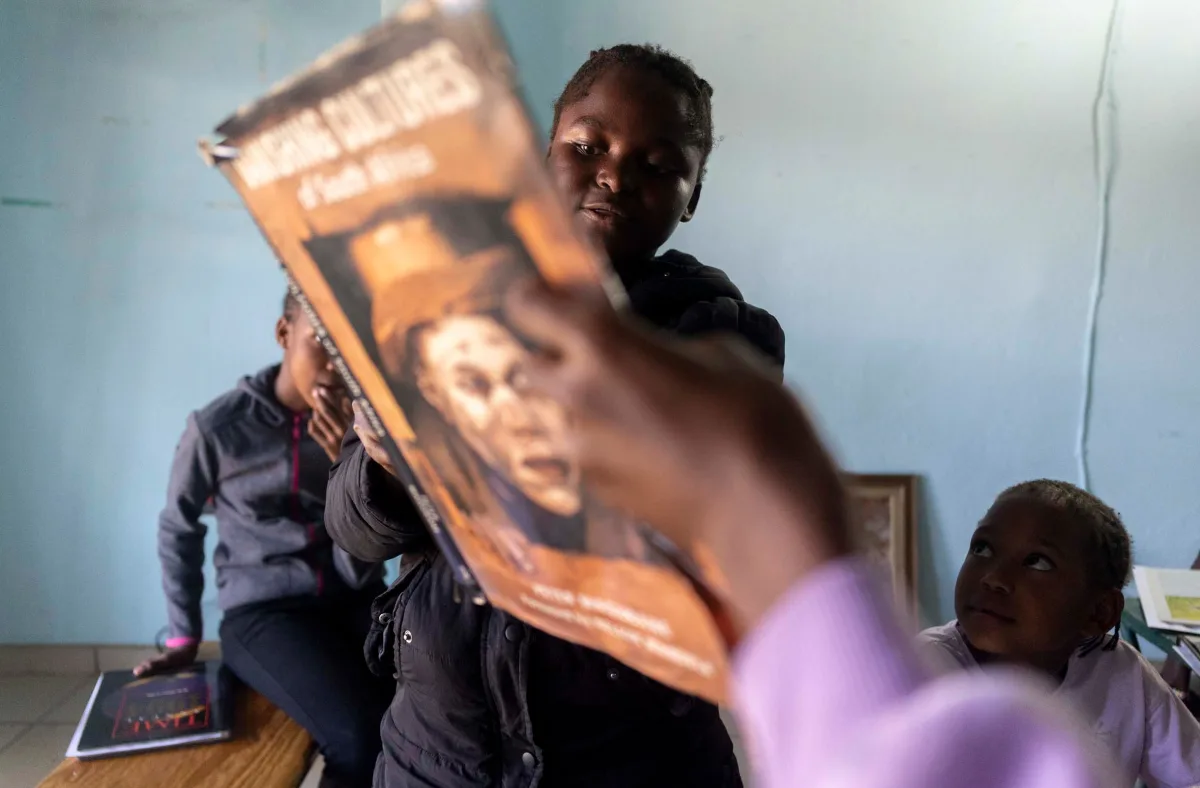
While the main event is the outdoor showcase, the long-term goal for the gallery is the youth. Ledwaba has turned his initiative into a community educational hub that keeps doors open on weekends. Children from the area are getting crash courses in photojournalism and the fine art of framing a story through a lens. It’s about more than just clicking a button; it’s about teaching the next generation of Sowetans how to document their own environment. By the time these kids hit their teens, they’ll have the technical skills to hold the narrative of their community in their own hands.
"The gallery brings South Africa's democratic history directly to the streets, allowing commuters and residents to engage with powerful visual storytelling during their daily routines."
Why Braamfischerville matters
Choosing a busy thoroughfare for an art installation provides incredible accessibility. Most people in the city move through spaces in a blur, rarely stopping to engage with the culture being produced around them. By embedding these frames into the physical infrastructure of a high-traffic zone, the project forces a pause. The democratic project isn't a static document kept in Pretoria; it's a living, breathing reality seen in the faces of the people passing by. It captures the essence of our thirty-two-year journey, showing the grit, the progress, and the daily grind all at once.
This initiative joins a growing list of grassroots efforts across the country aimed at reclaiming public space for public good. Whether it’s mural projects in Cape Town or street photography shows in Durban, the movement is clear. We're tired of gatekept exhibitions that require expensive parking and a day off work to appreciate. Ledwaba’s work is a lekker reminder that culture is best served where the people actually are—on the ground, in the sun, and moving toward the next chapter of our story.