

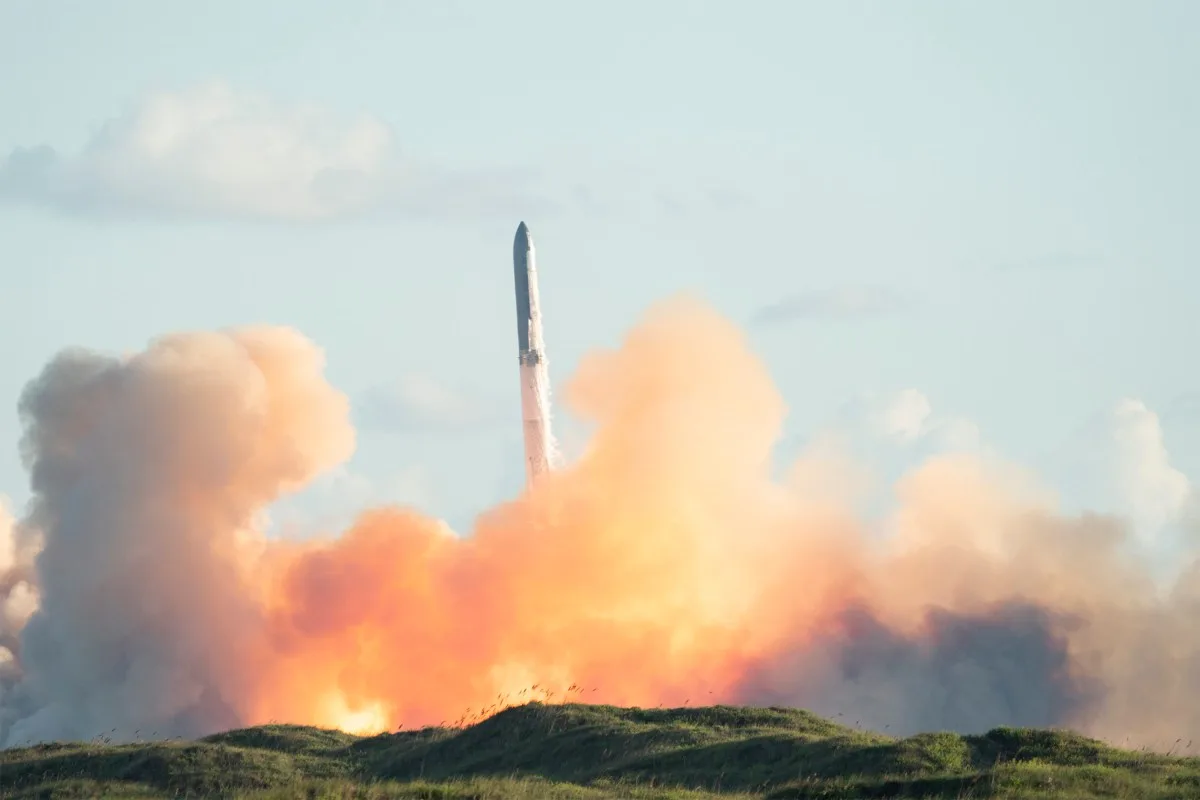
The Federal Aviation Administration (FAA) has slammed the brakes on Elon Musk’s SpaceX, effectively grounding the Starship launch program after last week’s booster failure. This isn't just a minor technical hiccup for the aerospace giant. It's a direct hit to the company’s high-stakes plan for a mid-June Initial Public Offering (IPO). For a firm that prides itself on moving fast and breaking things, having the federal regulator park your hardware is a massive headache. This disruption challenges the momentum of one of the world's most valued private startups.
The Anatomy of the Failure
During the flight test conducted on May 22, the Starship V3 booster—a monstrous piece of engineering designed to ferry humanity to the moon and beyond—suffered a critical malfunction. While SpaceX usually treats these explosive test flights as data-gathering exercises, the FAA is demanding a deep dive into the "why" behind the disintegration. The agency confirmed to TechCrunch on Wednesday that a formal investigation is now mandatory. This requires engineers to dissect every telemetry byte and hardware fragment to prevent a repeat performance. Until the regulator clears these findings, the launchpad at Starbase in Texas won't see any activity.
The Financial Stakes
SpaceX has been aggressively chasing a public stock market debut, with whispers of a mid-June launch date circling Wall Street for months. Investors have been salivating at the chance to buy into the company, which is currently burning through capital to build the next generation of space travel. IPOs thrive on stability and a clear path toward commercial success. A grounded fleet and an ongoing federal probe create the exact kind of uncertainty that scares off major institutional backers. If the FAA doesn't move quickly, that summer listing could slip into the abyss of the third quarter.
"The FAA is exercising its oversight authority to ensure that the public and environment are protected," a spokesperson for the regulatory agency noted, emphasizing that flight safety takes priority over business timelines.
Starship’s Path
This isn't the first time the company has faced a stop-work order. SpaceX’s history is littered with debris from previous test flights that didn't go as planned. They’ve managed to turn failures into rapid iterative upgrades. The V3 iteration is the most sophisticated machine they’ve ever built, featuring massive propellant tanks and high-pressure Raptor engines. The sheer scale of the vehicle means that any failure sends shockwaves through the aerospace industry.
Many government contracts for satellite deployments are tied to the success of this specific rocket. Nigeria’s own budding satellite communications sector, which keeps a keen eye on global launch costs, watches these developments closely. A grounded Starship keeps the price of putting gear into orbit unnecessarily high.
The Regulatory Hurdles
To resume operations, the team at SpaceX must compile a comprehensive "mishap report" that details exactly what failed, how they caught the issue, and what engineering changes were made to rectify the flaw. The FAA then evaluates this report against rigorous safety standards to ensure the next flight won't endanger property or civilians. The company's staff in Hawthorne and Boca Chica are now stuck in a frantic feedback loop with Washington, D.C. bureaucrats. Their ability to negotiate this process will define the future of Starship. It will also influence the confidence of shareholders waiting to see if SpaceX can reliably deliver on its grand promises to colonize Mars.