

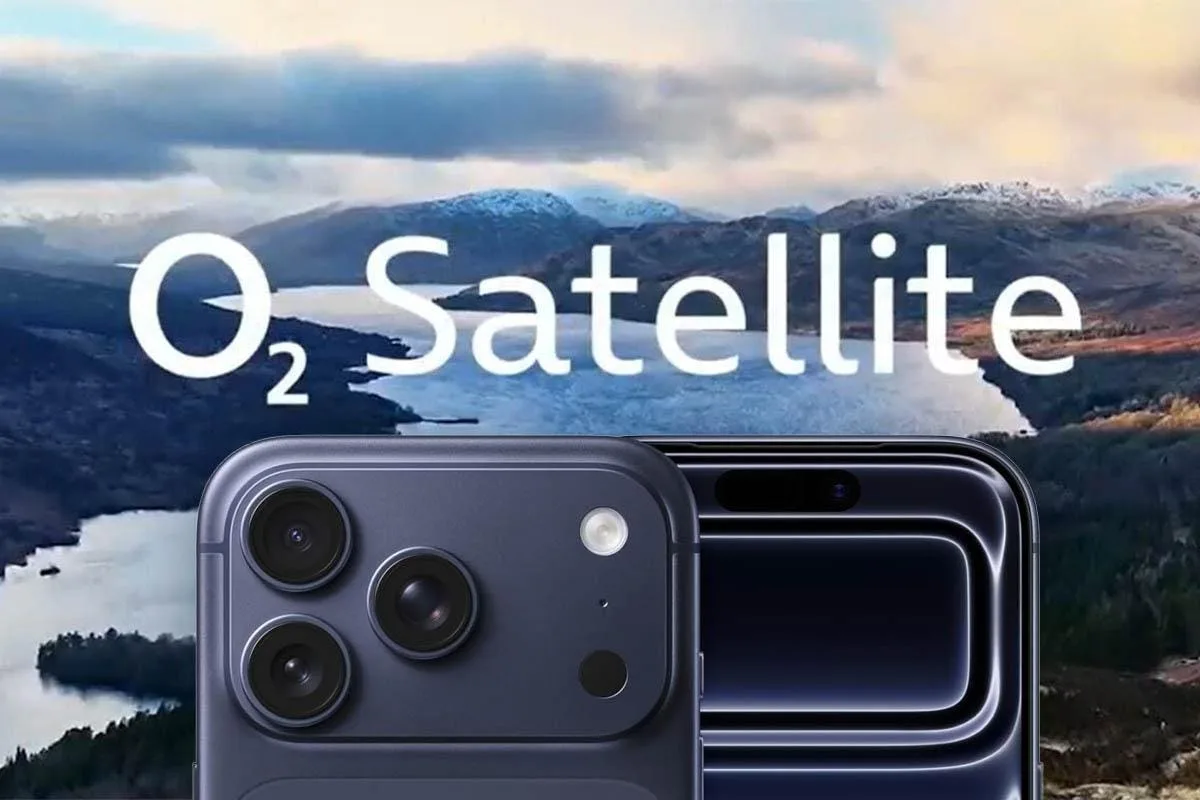
Starting May 28, Virgin Media O2 is rolling out a new satellite feature that might actually save your hide if you find yourself lost on a remote mountain. If you've ever hiked in the Scottish Highlands or climbed a jagged peak only to find your phone showing zero bars of service, you know the panic. The new O2 Satellite service essentially allows your iPhone to bypass standard cellular dead zones by tapping into the Starlink network run by Elon Musk’s SpaceX.
This isn't just for the newest, most expensive handsets either. While the iPhone 14 series famously debuted dedicated satellite hardware, users with the iPhone 13 family will also get to join in. This access was quietly unlocked through the iOS 18.5 software update, which introduced Carrier Satellite Connectivity. You don't need to buy a bulky satellite phone to get this extra coverage, making it a much smoother experience for the average hiker or traveler.
Expanding the service to iPhone users increases the reach of this groundbreaking technology to more customers. — Chris Bournes, Commercial Director at Virgin Media O2.
If you want to use it, you need to be on an Ultimate tier plan with the provider, or you can simply pay a £3 monthly fee as an add-on. The service isn't a total replacement for a dedicated satellite device like the Garmin InReach Mini 3. While a Garmin device can cost anywhere from $7.99 to $49.99 a month depending on your plan, it’s built for heavy-duty emergency communication in extreme environments. O2 Satellite is much more about light, everyday connectivity for regular people.
There is a catch regarding what you can actually do with this connection. Don't expect to make crystal-clear voice calls or send heavy media files through the satellite link. The system is designed to support a specific set of apps, with WhatsApp being the main one for messaging. It’s meant to help you stay in touch with family or ping someone your location if you’re stuck, rather than replace your home broadband connection.
To promote the launch, Virgin Media O2 roped in reality TV star Spencer Matthews, who completed six grueling ascents of Snowdon in under 23 hours. The company claims this tech bumps their total UK landmass coverage from 89 per cent to 95 per cent. That extra six per cent is huge when you’re standing in a valley where the signal used to just vanish.
Network Gaps and Global Context
Even with satellite help, not every inch of the country is covered by the Starlink beam. The very highest points in Scotland and a few specific coastal pockets, including the popular holiday destination of Blackpool, remain outside the reach of the satellites. You should track these maps before you head out on a trip expecting to be connected everywhere.
This service actually made its debut back in February 2026, but it was exclusively for Samsung Galaxy S25-series users at the time. Bringing Apple users into the fold expands the pool of people who can actually use the network by millions. It’s a similar move to what T-Mobile has been doing in the United States with its T-Satellite service. American users pay about $10 a month for that perk, which also utilizes Starlink hardware to bridge gaps in coverage for mobile subscribers.
The convenience of having a phone that works in remote areas isn't just about posting on social media. For Nigerian students or business travelers visiting the UK, this could be a total game-changer. Imagine navigating rural transit routes or visiting friends outside the major cities. Having that extra slice of connectivity keeps you from being completely disconnected from your digital life back home. It bridges the gap between urban centers and the rugged wilderness that previously felt like a massive risk to wander into without specialized satellite gear.