

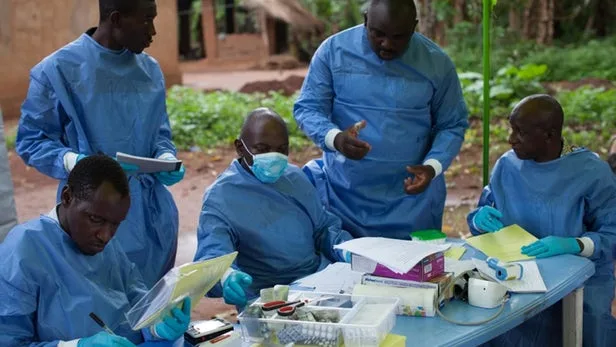
The Ebola outbreak in the eastern Democratic Republic of the Congo has left 65 people dead and another 246 suspected cases under monitoring in Ituri Province. This resurgence marks the latest chapter for a virus that has claimed thousands of lives across Africa over the past five decades. The Ebola virus is a highly infectious disease that's spread through direct contact with bodily fluids and can cause severe bleeding, organ failure, and death.
The Africa Centres for Disease Control and Prevention officially confirmed the crisis on Friday, revealing that four of the deaths have already been laboratory-confirmed. According to the agency, preliminary tests conducted at the Institut National de Recherche Biomédicale in Kinshasa detected the Ebola virus in 13 out of 20 samples analysed. They're still waiting for laboratory confirmation for the other samples.
The outbreak is concentrated mainly in the Mongwalu and Rwampara areas. Additional suspected cases have also been reported in Bunia, the provincial capital of Ituri. Laboratory confirmation is still pending for these cases. The virus can cause severe symptoms, including fever, fatigue, muscle pain, headache, and sore throat. Severe cases may progress to internal bleeding and organ failure. There isn't a known cure for the disease.
The Democratic Republic of Congo's deadliest Ebola outbreak occurred between 2018 and 2020, when nearly 2,300 people died. The Africa CDC said it's convening an emergency coordination meeting involving DR Congo, Uganda, South Sudan, and international partners. This meeting will help strengthen cross-border surveillance and response efforts. It's crucial in preventing the spread of the virus across borders.
The first identified outbreak in 1976 in what is now DR Congo, the virus is believed to have originated from bats before spreading to humans. The World Health Organization and other international partners have been working with the Congolese government to contain the outbreak and provide support to affected communities. They're working together to prevent further spread of the disease.
As the situation continues to unfold, the international community is watching closely. They know that a swift and effective response is key to preventing further spread of the disease. The Congo has a long history of dealing with Ebola outbreaks. The current response efforts will be crucial in determining the outcome of this latest crisis. It's essential that the response is swift and effective.
Key Facts
- 65 people are dead
- 246 suspected cases are under monitoring
- 4 deaths are laboratory-confirmed
- 13 out of 20 samples detected the Ebola virus
- The outbreak is concentrated in Mongwalu, Rwampara, and Bunia areas
The Ebola outbreak in the DR Congo is a stark reminder of the need for continued vigilance and investment in global health security. As the world continues to grapple with the challenges of infectious diseases, it's clear that a coordinated and effective response is essential in saving lives and preventing further spread of the virus. The international community must continue to support affected countries in their efforts to combat the virus.
In the coming days and weeks, the international community will be closely watching the situation in the DR Congo. They'll be monitoring the response efforts of the government and its partners. The situation is developing, and it's essential to stay informed about the latest developments in the fight against Ebola. The DR Congo has been working to strengthen its health systems and improve its response to outbreaks. However, the country still faces significant challenges in terms of infrastructure, funding, and human resources.
The current outbreak is a test of the country's preparedness and its ability to respond effectively to a major public health crisis. As the situation unfolds, it's essential to remember that Ebola is a disease that can be prevented and controlled with the right measures in place. The international community must continue to support the DR Congo and other affected countries in their efforts to combat the virus and save lives. They can't afford to let their guard down.
'The Ebola outbreak in the DR Congo is a reminder that we must remain vigilant and continue to invest in global health security,' said a spokesperson for the World Health Organization. The World Health Organization and other international partners have been working closely with the Congolese government to provide support and technical assistance in responding to the outbreak.
The organization has also been working to strengthen the country's health systems and improve its ability to detect and respond to outbreaks. The current outbreak in the DR Congo is a reminder that the fight against Ebola is far from over. The virus continues to pose a significant threat to global health security. It's essential that the international community remains committed to supporting affected countries in their efforts to combat the disease.
In the coming months, it will be essential to continue monitoring the situation in the DR Congo. The international community must provide support to the government and its partners as they work to contain the outbreak and prevent further spread of the virus. The international community must also continue to invest in global health security and support efforts to strengthen health systems in affected countries. They won't be able to combat the disease without a strong health system in place.
The Ebola outbreak in the DR Congo is a stark reminder of the need for continued investment in global health security. The international community must remain vigilant and continue to support affected countries in their efforts to combat the virus and save lives. As the situation continues to unfold, it's clear that the response efforts of the government and its partners will be crucial in determining the outcome of this latest crisis. The international community will be watching closely, and it's essential that the response efforts are swift, effective, and well-coordinated. They can't afford to make any mistakes.