

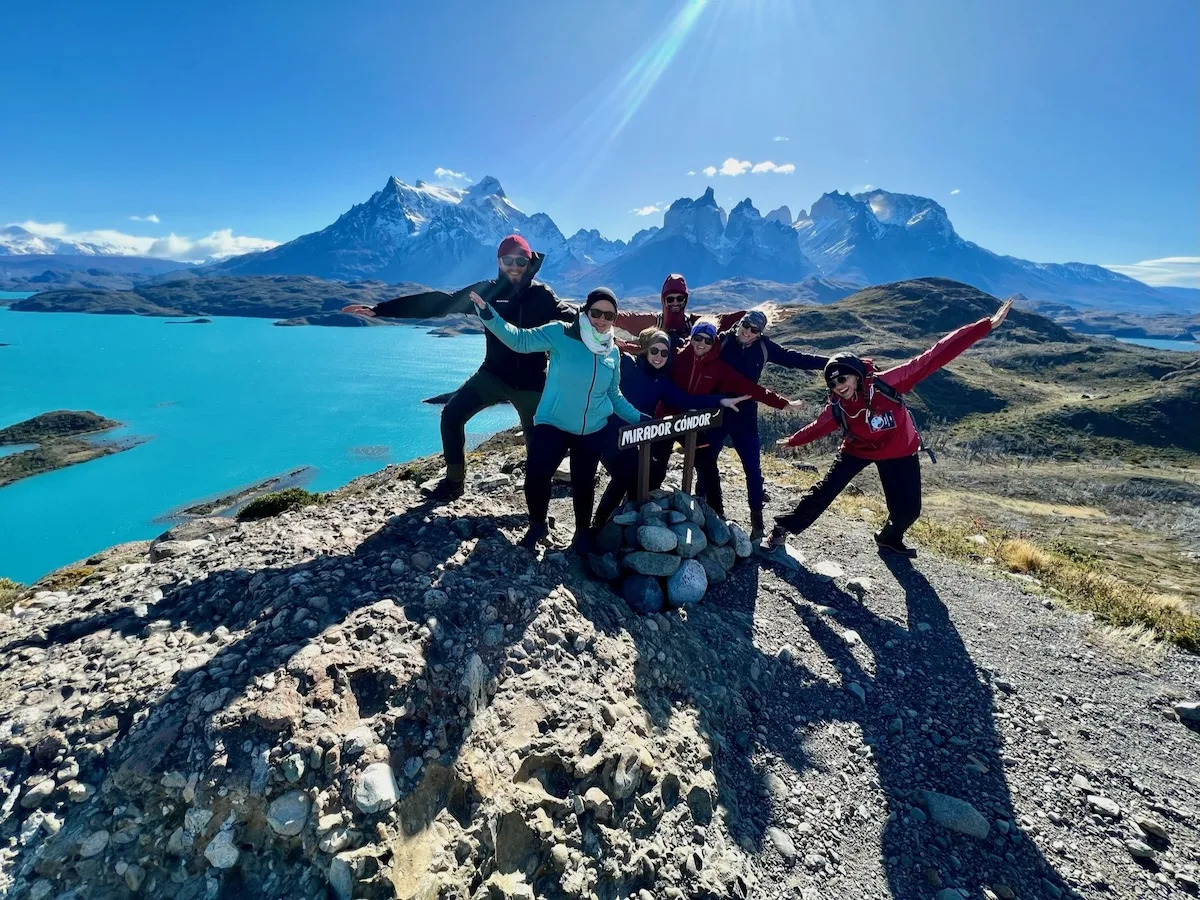
Milan-based travel startup WeRoad is officially taking its group-bonding model to the American market after landing a $58 million Series C investment round led by Airbnb. This infusion of cash brings the total amount raised by the firm to approximately $100 million since its inception. While most travel companies focus on booking hotels or flights, the WeRoad approach is built entirely on the concept of 'social travel' where solo travelers are grouped together for curated, multi-day adventures. The startup plans to debut this service in Austin, Texas, before rolling out to other U.S. cities.
This investment reflects a bet that the next generation of travel companies may look less like booking platforms and more like social platforms designed to facilitate real-world connections.
It’s a smart move for Airbnb, as the home-rental giant seeks to dominate not just where people sleep, but how they spend their waking hours on holiday. By backing a company that specializes in organizing group dynamics for strangers, Airbnb is lowkey trying to own the entire social experience of a vacation. If you’ve ever felt the awkwardness of traveling alone or the stress of trying to coordinate an itinerary with friends who can’t make up their minds, you’ll understand why the WeRoad model is gaining traction. It removes decision fatigue by assigning a 'travel coordinator' to guide the pack, essentially managing the logistics while ensuring everyone gets along.
The travel industry is currently moving away from static hotel bookings toward immersive, community-driven experiences. Investors are betting that consumers now value shared stories and networking over luxury amenities. With this capital, the company aims to scale its operations to handle the massive U.S. market, which remains the largest travel spending hub in the world.
For Nigerians who frequently participate in the booming 'group trip' culture, this model might sound familiar. The difference is the tech infrastructure and the structured, professionalized nature of the coordinators that WeRoad provides. While many travel agencies in Lagos manage group tours, WeRoad’s tech stack focuses on matching individuals with specific interests and age ranges to ensure chemistry within the travel group.
Beyond just the money, the partnership with Airbnb suggests that we’ll eventually see integration between the two platforms. Imagine booking a stay on Airbnb and being prompted to join a local WeRoad excursion in the same city. The expansion into Austin acts as a pilot program to test how American consumers respond to these curated social environments. If the model works in Texas, the company will likely move toward hubs like Los Angeles, New York, or Miami within the next eighteen months. The stakes are high, and the move demonstrates the company’s intent to define the future of interactive travel tech through scalable, community-focused infrastructure.