

The single sharpest fact is that Israel has killed 512 Lebanese since the ceasefire implementation on April 17. It's happening as a ceasefire between Israel and Lebanon is set to expire on Sunday.
And the talks to potentially extend or renew this ceasefire are being held in Washington, mediated by the US. These talks, which started on Thursday, are at an ambassador level, indicating the seriousness with which both countries and the US are approaching the situation. They're taking this situation seriously, and it shows.
But what led to this point? The history between Israel and Lebanon is complex, with both countries having a long-standing conflict over borders, territory, and security. The current ceasefire was put in place after a significant escalation in violence, which saw both sides exchanging fire and resulting in significant loss of life. This escalation was a major turning point, and it's what led to the current ceasefire.
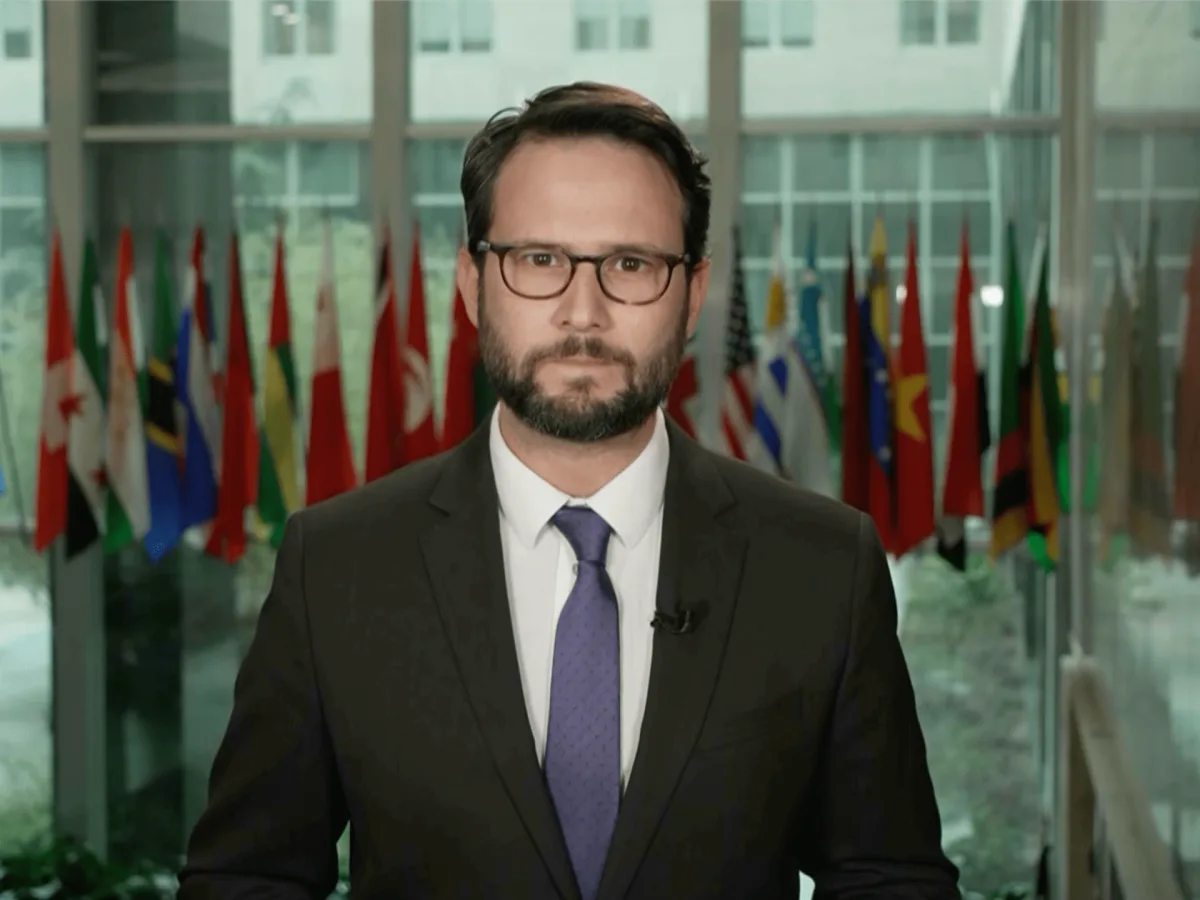
The US-mediated talks are crucial as they aim to prevent further escalation and potential war between the two countries. Manuel Rapalo, reporting for Al Jazeera from Washington, noted the gravity of the situation and the importance of these talks in preventing more bloodshed. He didn't mince words, saying the situation is grave.
The situation is delicate, and the international community is watching closely, hoping for a peaceful resolution. They're watching because they don't want to see things get worse.
The US involvement is key. As a major world power, the US has significant influence in the region and has been instrumental in mediating conflicts between Israel and its neighbors. The fact that these talks are being held in Washington underscores the US commitment to finding a peaceful solution. It's clear the US is committed to peace.
So, what happens next? The outcome of these talks will be crucial in determining the next steps. If the ceasefire is extended or renewed, it could provide a much-needed breathing space for both countries to work towards a more permanent solution. However, if the talks fail, the consequences could be severe. They could lead to further violence and potentially draw in other countries in the region. That would be a disaster.
The numbers are stark: 512 Lebanese killed since April 17. This isn't just a statistic; it represents lives lost, families torn apart, and a community in fear. The international community is calling for restraint and a peaceful resolution to the conflict. They don't want to see any more violence.
Despite the challenges, there is hope. The fact that Israel and Lebanon are talking, even if it's through a third party, is a step in the right direction. It shows that both sides are willing to listen and potentially find a way out of this cycle of violence. They're willing to talk, and that's a good start.
- Ceasefire set to expire on Sunday
- 512 Lebanese killed since April 17
- Talks are being held in Washington
- US is mediating the talks
- The conflict between Israel and Lebanon is long-standing and complex
As the world watches, it's clear the situation between Israel and Lebanon is volatile and requires immediate attention. The US-mediated talks offer a glimmer of hope, but the road to peace will be long and challenging. The question isn't whether there will be peace; it's when and how it will be achieved. It's a tough road ahead, but they're taking the first steps.
The situation is a reminder that, even in the most complex and entrenched conflicts, dialogue can be a powerful tool. It's a reminder that, no matter how deep the divisions, talking is always better than fighting. They're better off talking than fighting, and that's what they're doing.
As the talks continue in Washington, the world holds its breath, hoping for a breakthrough that could potentially save hundreds, if not thousands, of lives. The clock is ticking, with the ceasefire set to expire in just a few days. The next 48 hours will be critical in determining the course of this conflict and potentially the future of the region. The world is waiting to see what happens next, and they're waiting anxiously.